What Kind of Place is Nara Deer Park?
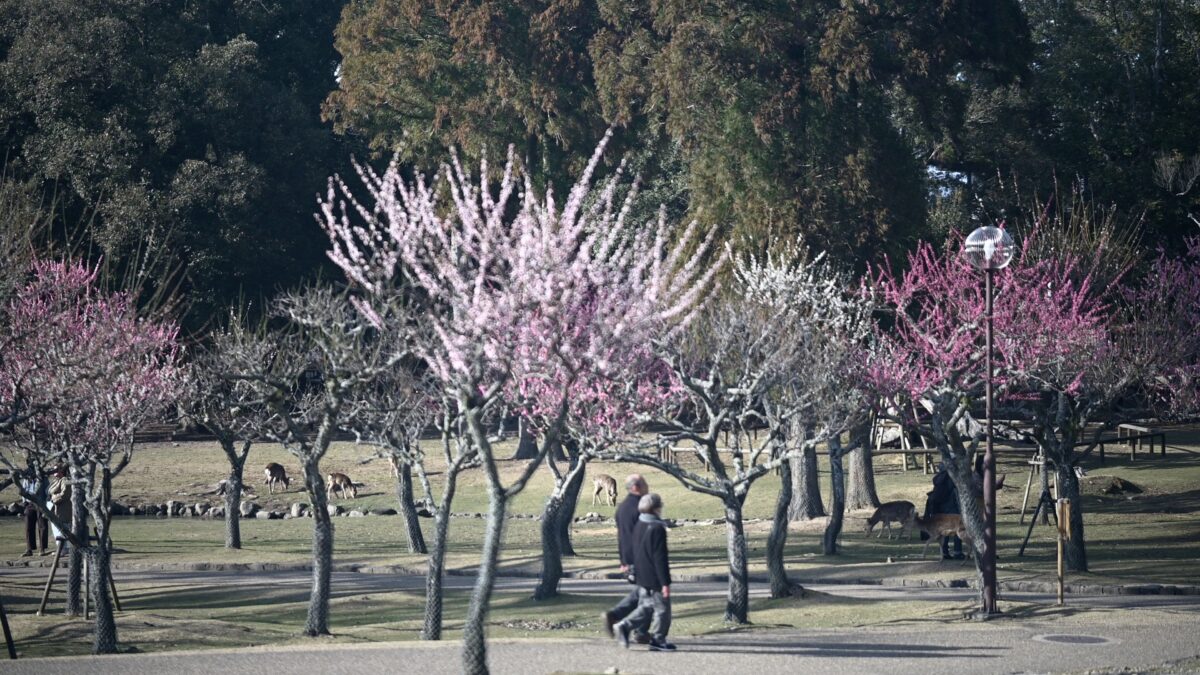
Because of its name, it is easy to think of Nara Deer Park as just a place for animal experiences, but in reality, it is not a simple animal encounter site. The Nara Park area spans a vast 660 hectares and is a historical and cultural district where representative landmarks such as Todaiji Temple, Kasuga Taisha Shrine, and the Nara National Museum are connected as one unit alongside freely roaming deer. In other words, the essence of this place is not a "park with deer," but rather a region where **the symbolic landscapes, historical sites, forest paths, and religious spaces of the ancient city of Nara overlap in one place**.
If you visit without knowing this, it is easy to just see a few deer near the entrance and leave. Conversely, if you understand this structure, you will immediately see why this place has long been considered the core of Nara tourism. There are expansive lawns and walking areas, within which world-renowned temples and shrines are situated, and deer roam freely among them. Such a composition is rare.
Why People Feel This Place Is Special
The reason Nara Deer Park is impressive is not because of a single outstanding element. It is because three factors overlap simultaneously.
The first is **symbolism**. Nara's deer are not merely tourist attractions; they have long been regarded as sacred beings connected to Kasuga Taisha. Official tourist guides introduce the deer as a symbol of Nara, explaining that the traditional perception of them as messengers of the gods continues to this day.
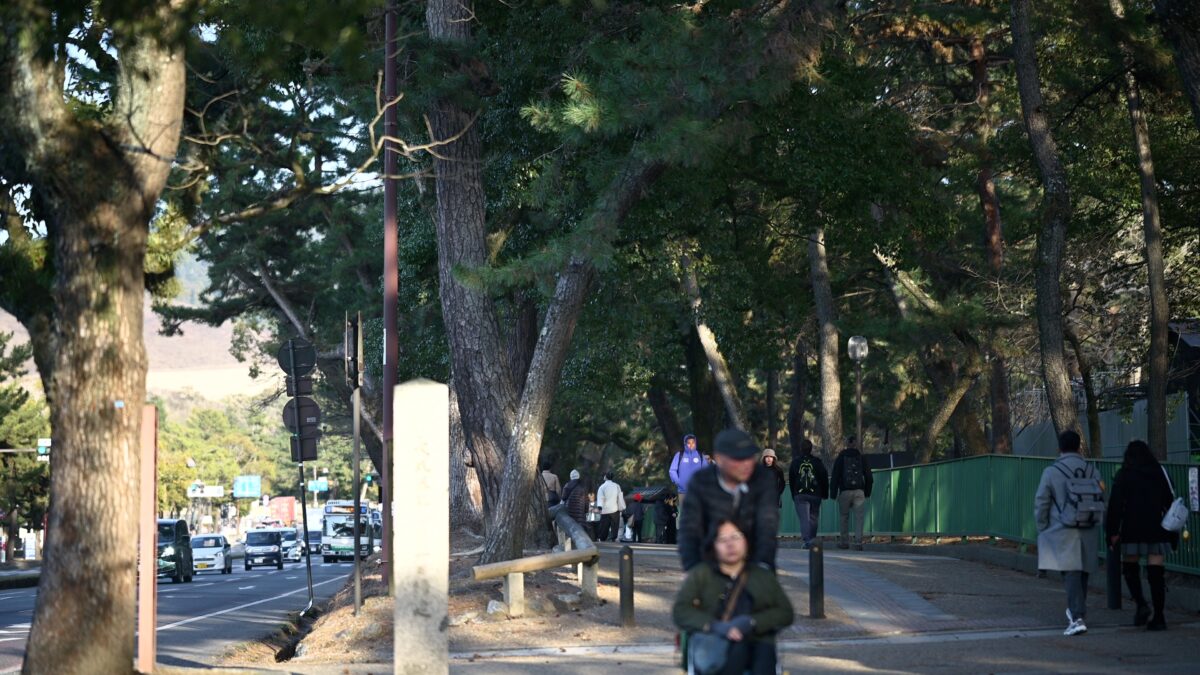
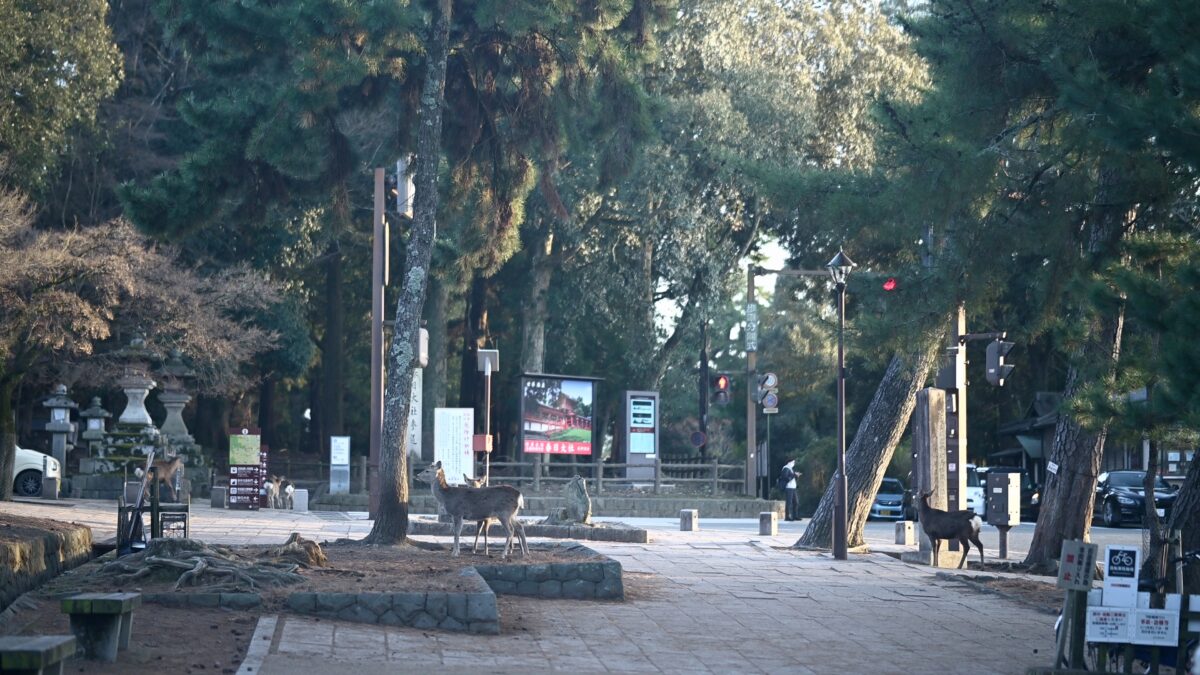
The second is **spatial depth**. This is not a single flat park, but rather a continuous sequence of open lawn areas, forest paths, a plaza in front of a temple, and a path leading to a shrine. Therefore, the atmosphere changes after just a few minutes of walking. Near the entrance is a lively space where tourists and deer are concentrated, while as you move further inside, the character of the forest and pilgrimage path becomes stronger. The official guide also describes the Nara Park area as a vast region encompassing several famous temples and shrines.
The third point is the **architectural and historical scale**. Todaiji Temple, the representative attraction within Nara Park, is a place of such gravitas that it serves as a destination in itself. According to official Todaiji records, the Great Buddha Hall is the main hall of the temple, and the current building was reconstructed during the Edo period after suffering several fires. Furthermore, the Great Buddha Hall and the Great Buddha are consistently cited as symbols representing Nara. In other words, even if you visit the deer park, the actual satisfaction of your trip largely depends on how much you experience this historical space alongside it.
What You Should Actually See at Nara Deer Park
To properly appreciate this place, it would be a shame to set your goal solely as “taking photos with deer.” There are four key points.
The first is the **landscape of the park itself**. Nara Park boasts expansive lawns, gentle terrain, and views that blend forests with ancient architecture. Therefore, this is a place where you appreciate the overall atmosphere rather than a single point. Even without the deer, the space itself is already complete.
The second is the **Todaiji Great Buddha Hall**. Todaiji is a key attraction that is virtually impossible to miss during a visit to Nara Park. While it holds great historical significance, the sheer size and imposing presence of the building leave a strong impression. Although the existing structure is a reconstruction, it is still recognized as a representative example of large-scale wooden architecture. Without seeing this place, your experience of Nara Park might feel half-incomplete. ([Todaiji - Kagō-shu Daihonzan][3])
The third is the **atmosphere leading to Kasuga Taisha**. Kasuga Taisha is a place with a distinct character even within Nara Park. Rather than a flashy urban tourist attraction, its core lies in the dense atmosphere created by the forest, lanterns, and the pilgrimage path. Official descriptions highlight the numerous votive lanterns and deep religious traditions as the characteristics of this shrine. Therefore, it is more appropriate to appreciate the sense of space that stretches out over a long period rather than a single scene here.
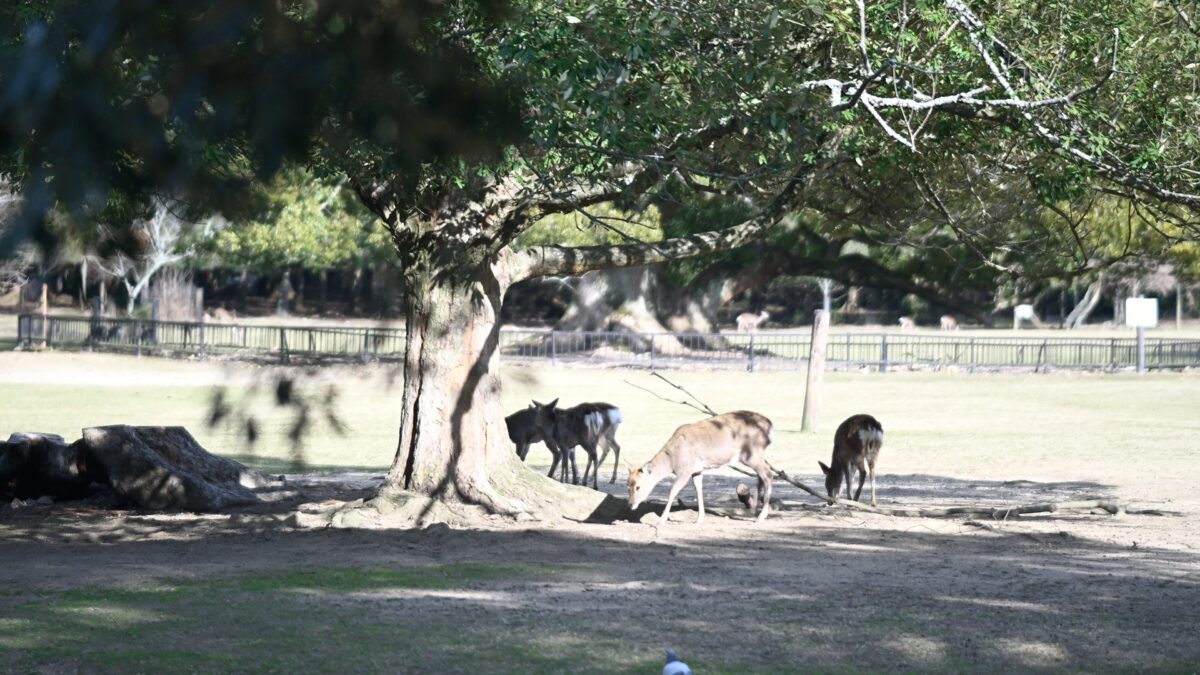
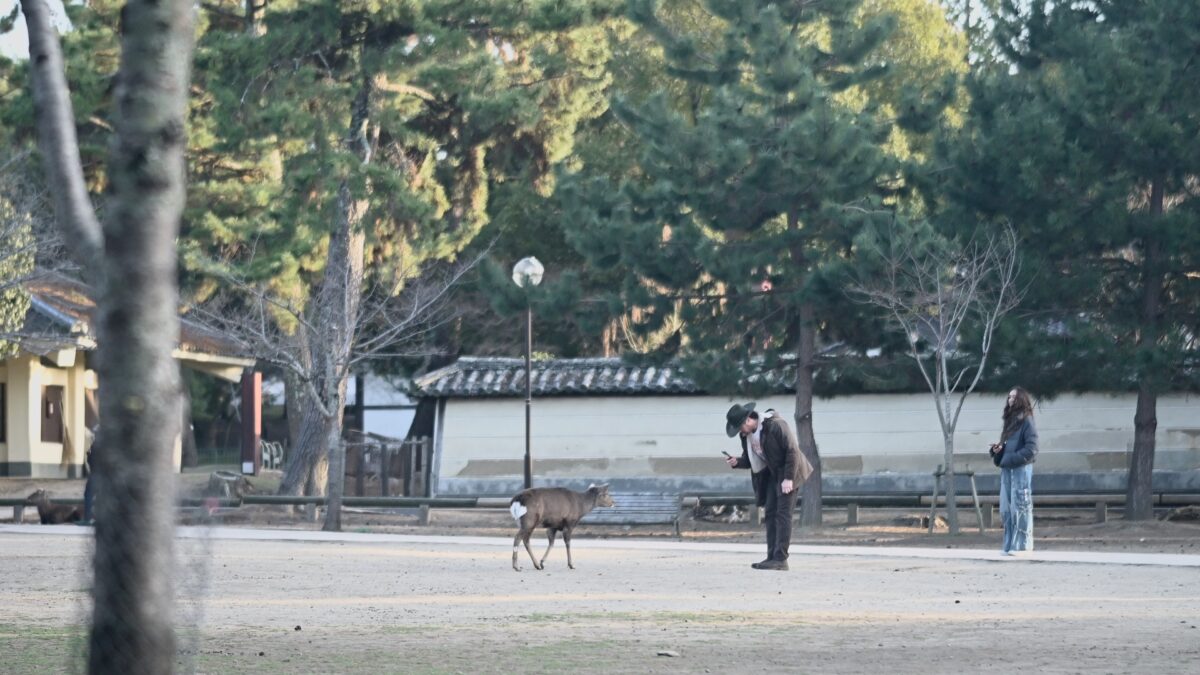
The fourth point is the **relationship between deer and humans itself**. While Nara's deer are certainly an important element, the core is the sense of life in this place rather than their cuteness. What makes this place unique is that the deer blend into the park landscape as if they were part of it, and they appear naturally even in front of temples and shrines. In a sense, the deer are both the protagonist and the background.
What You Need to Know About Deer
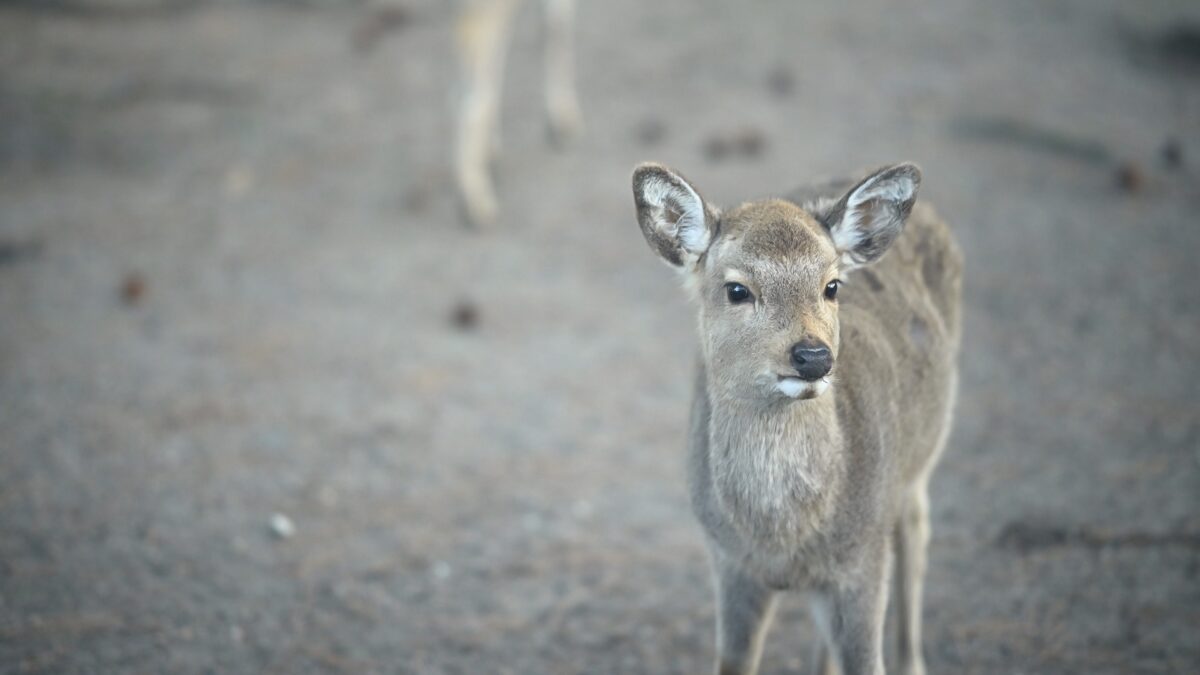
We cannot leave out the story of the deer, but the key point is simple: they are not objects of admiration, but **wild animals**. Official tourism materials state that there are approximately 1,400 wild deer living in Nara Park and advise that you should only feed them the special deer senbei sold in the park. This information is important for safety and protection rather than for the cute experience.
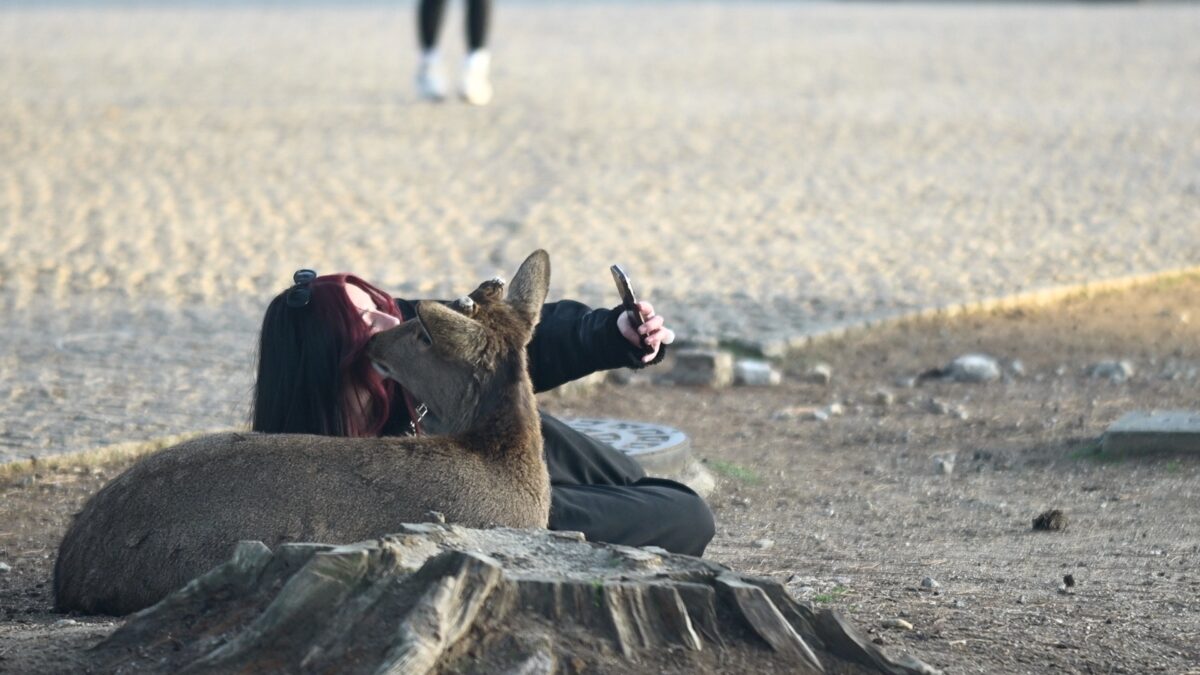
In practice, the judgment required on-site is as follows: If you hold food in your hand, the deer may approach quickly, and they may mistake paper bags, maps, or plastic bags for food. Therefore, if you plan to participate in the feeding experience, it is better to do it briefly and finish quickly; holding onto it for too long will actually lead to fatigue. You should be even more careful if you are visiting with family or young children. This does not mean that the deer are scary, but rather that it is a place where **distance control is required**.
How to Explore to Maximize Satisfaction
If you enter Nara Deer Park without a clear plan, it can feel vast and chaotic. Conversely, if you understand the flow of movement, it feels like a well-organized place.
The safest approach is to first observe the deer and the atmosphere at the entrance of the park, then move on to Todaiji Temple to view its architecture and interior spaces, and finally, if you have time left, walk towards Kasuga Taisha Shrine. By moving in this way, you can experience the three main pillars of Nara Park—deer, large temples, and forest shrines—all at once. This is also why official local guides group Todaiji and Kasuga Taisha together as major attractions within the same park area.
If you are planning a quick visit, you can grasp the basic layout by just seeing the park and Todaiji Temple. Conversely, if you want to take your time and fully experience the atmosphere of Nara, including a stroll through the park and the Kasuga Taisha Shrine makes for a much more complete experience. In other words, here, "what kind of spaces you visit" is more important than "how much you see."
Why the Time of Visit Matters
The impression of Nara Deer Park changes quite a bit depending on the time of day. It is relatively quiet and easy to navigate in the morning, but as the day progresses, the density of tourists increases, making it somewhat chaotic for taking photos and moving around. Since the park itself is an open space, there are no strict specific entry times; however, facilities like Todaiji Temple, which you are likely to visit as well, have separate viewing times and fees, so you must include them in your itinerary. The official Todaiji website provides separate information on individual visits and entry times.
Therefore, speaking practically, unless you intend to just quickly take some photos of the deer park and be done, it is better to enter in the morning. This way, it becomes easier to weave a stroll through the park, visit Todaiji Temple, and, if necessary, Kasuga Taisha Shrine into a single continuous flow.
Who Is This Place Best For?
Nara Deer Park is particularly well-suited for three types of travelers.
One group consists of people who appreciate the atmosphere of Japan's ancient capital and historical spaces. The atmosphere of the former capital, as conveyed by the entire space, leaves a stronger impression than the deer themselves.
Another group consists of those seeking a travel destination with a different vibe from Kyoto. While Kyoto offers a refined impression of architecture and streets, Nara is more expansive and relaxed, leaning more towards a landscape where nature and historical sites overlap. This difference is distinct. This aligns with how official tourism materials describe Nara as a region where history, nature, and spirituality coexist.
Finally, there are those who take photos or videos to document their experiences. Rather than focusing on a single specific scene, the park strongly features compositions where deer, forests, people, and ancient architecture all come together within a wide field of view. Therefore, it is advantageous for capturing the overall atmosphere rather than focusing on a close-up of a single subject. This is also why Nara Park continues to be chosen as a destination for travel journaling.
In Overall View
Nara Deer Park is not a place solely for viewing deer, nor is it a place that can be explained without mentioning them. The key point is that **deer, historical architecture, forests, and walking paths are all intertwined within a single space**. Deer are the symbol of this region, Todaiji Temple adds weight to the space, and Kasuga Taisha Shrine and the forest paths add depth to the atmosphere. Therefore, it is more accurate to view this place not merely as a tourist attraction, but as a location that encapsulates the character of the city of Nara.
To summarize in one sentence:
Nara Deer Park is not a place to go just to see deer, but a place to understand Nara's core landscapes and historical structures, including the deer, all at once.
Hasedera Temple, where flowers welcome you at any time
The story of Todai-ji Temple, the world's largest wooden structure

Automatically generate travel itineraries with AI
Create a custom itinerary that is actually feasible based on the destinations in this article.
We create recommended places at your destination and a schedule tailored to your travel purpose.
• Anyone can use it once a day.
• Please use this only as a reference for drafting your travel plans.
• The food theme is excluded due to store closures.
• It will take some time (about 20 seconds) to reflect the latest information. Please wait a moment.