Hasedera Temple, Nara
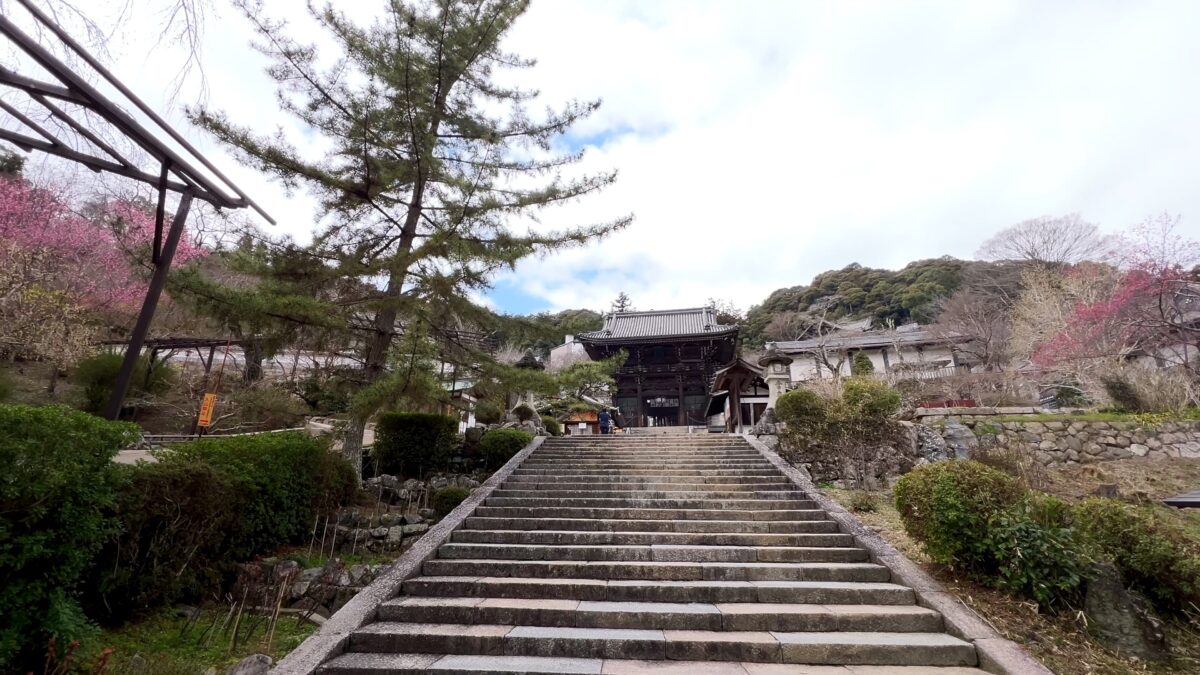
Overview
Located in Sakurai City, Nara Prefecture, Hasedera Temple was founded in the late 7th century and serves as the central temple of the Buzan branch of the Shingon sect. With numerous branch temples throughout Japan, it has long served as a center of faith as one of the major temples of the Western 33 Kannon Pilgrimage.
This site is a place where history, religion, and the natural environment coexist, holding such deep cultural significance that it even appears in classical Japanese literature.
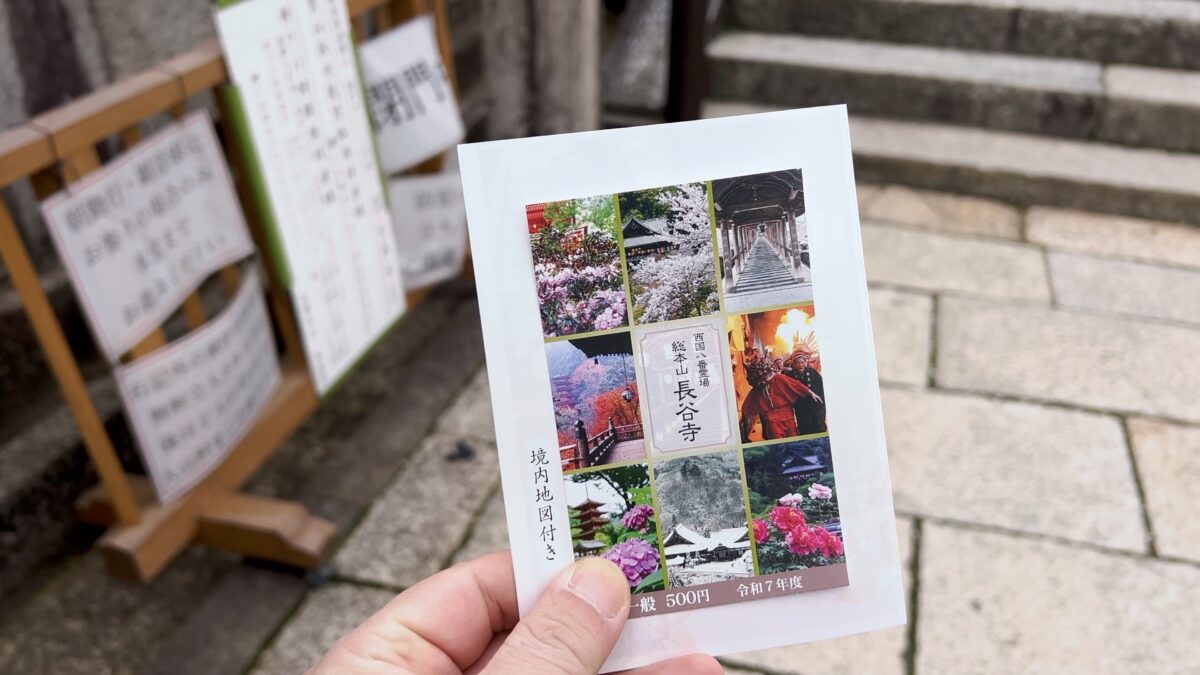
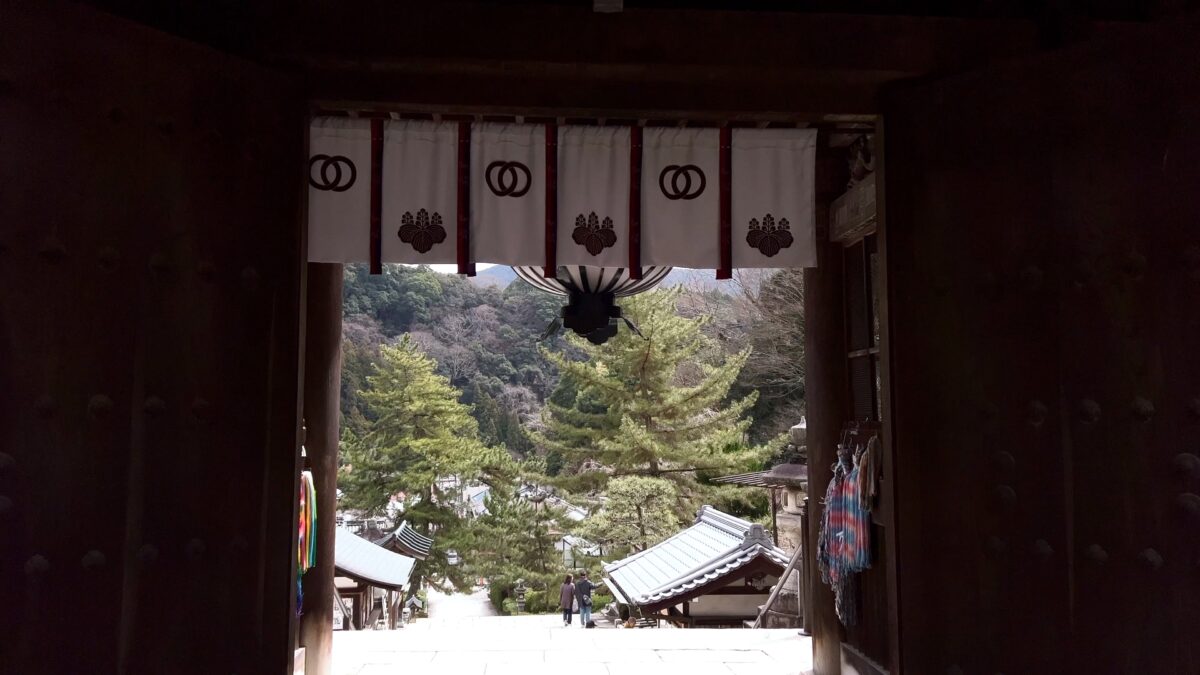
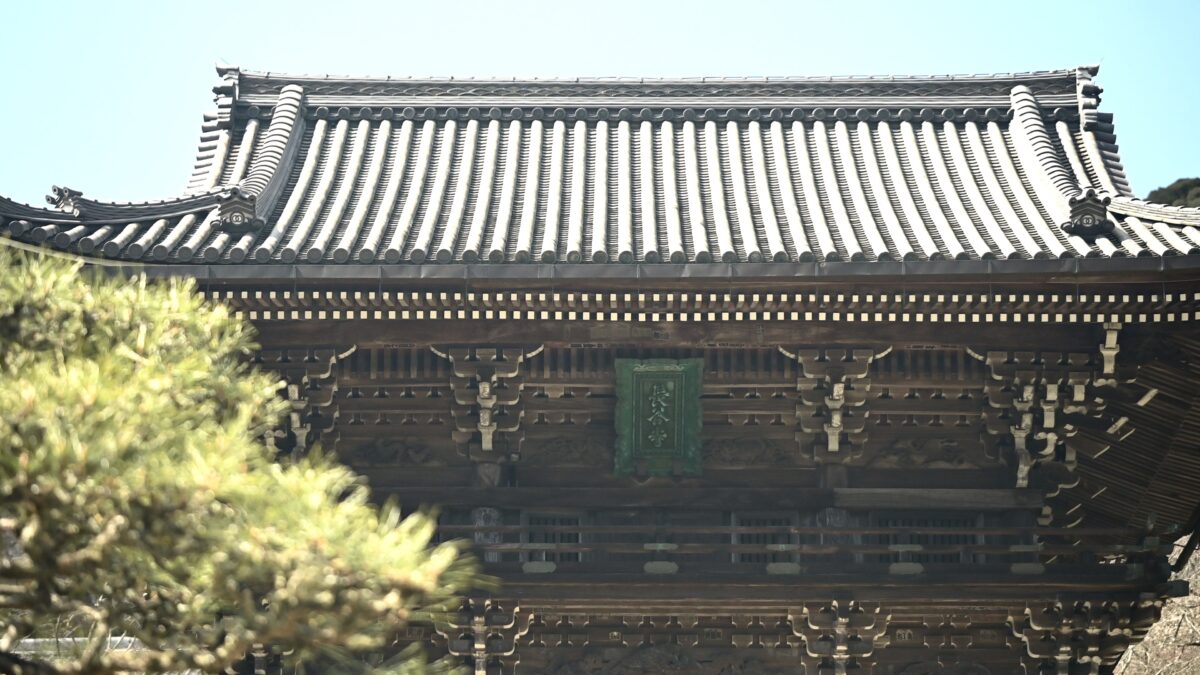
Key Features
Stairway Corridor Structure
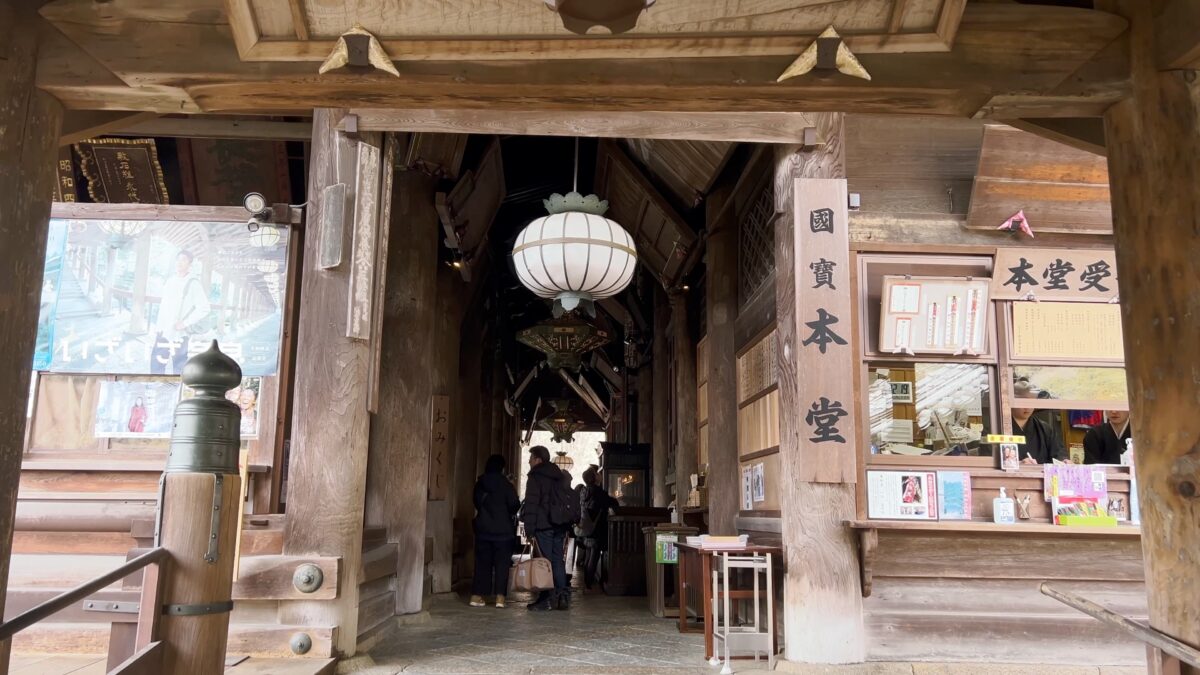
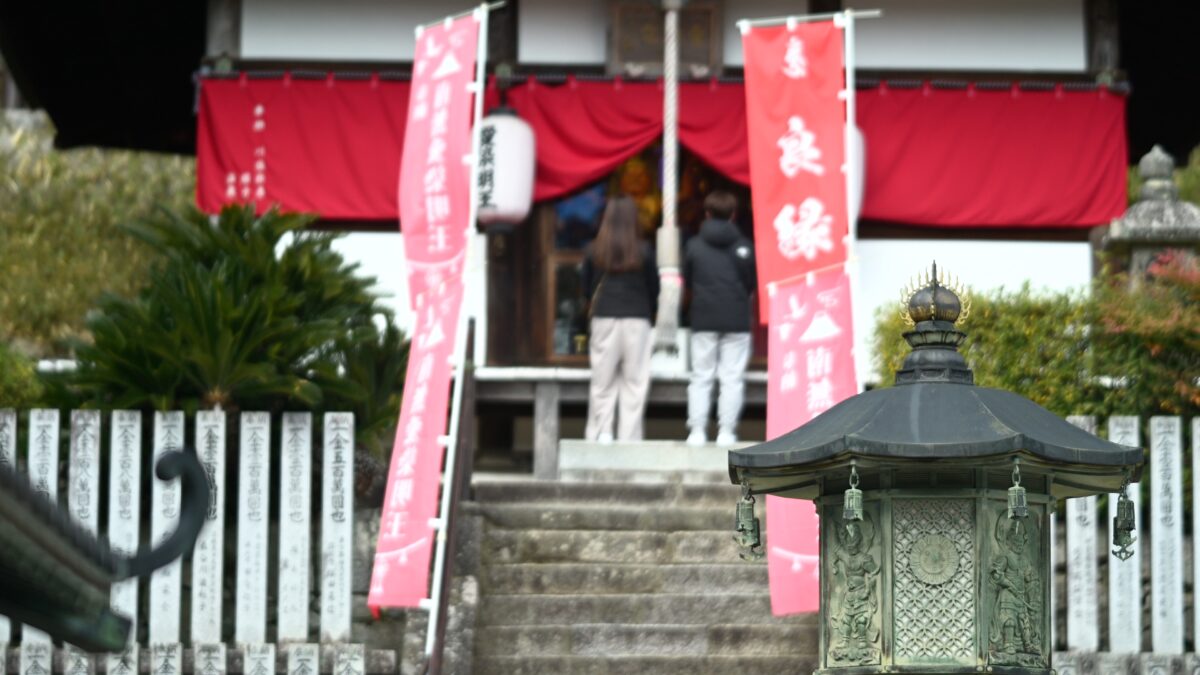
The long staircase leading from the entrance to the main hall consists of approximately 399 steps and is entirely covered by a roof. This structure transforms the movement itself into a single process, offering an experience where the view gradually opens up as one ascends.
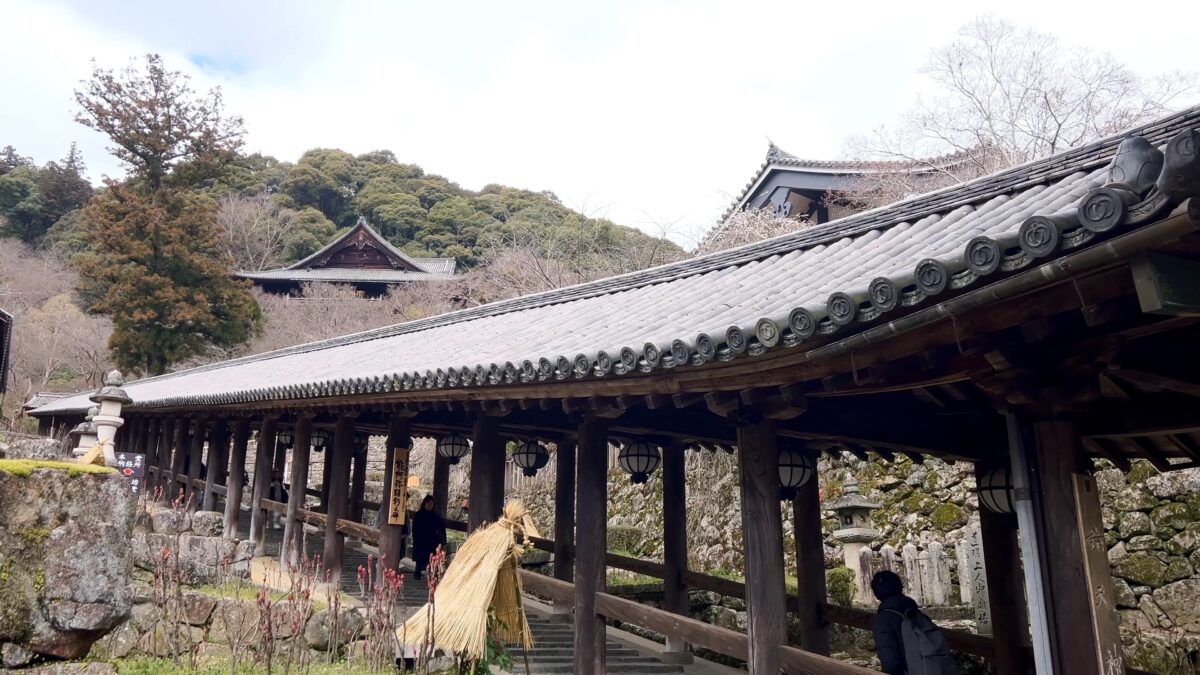
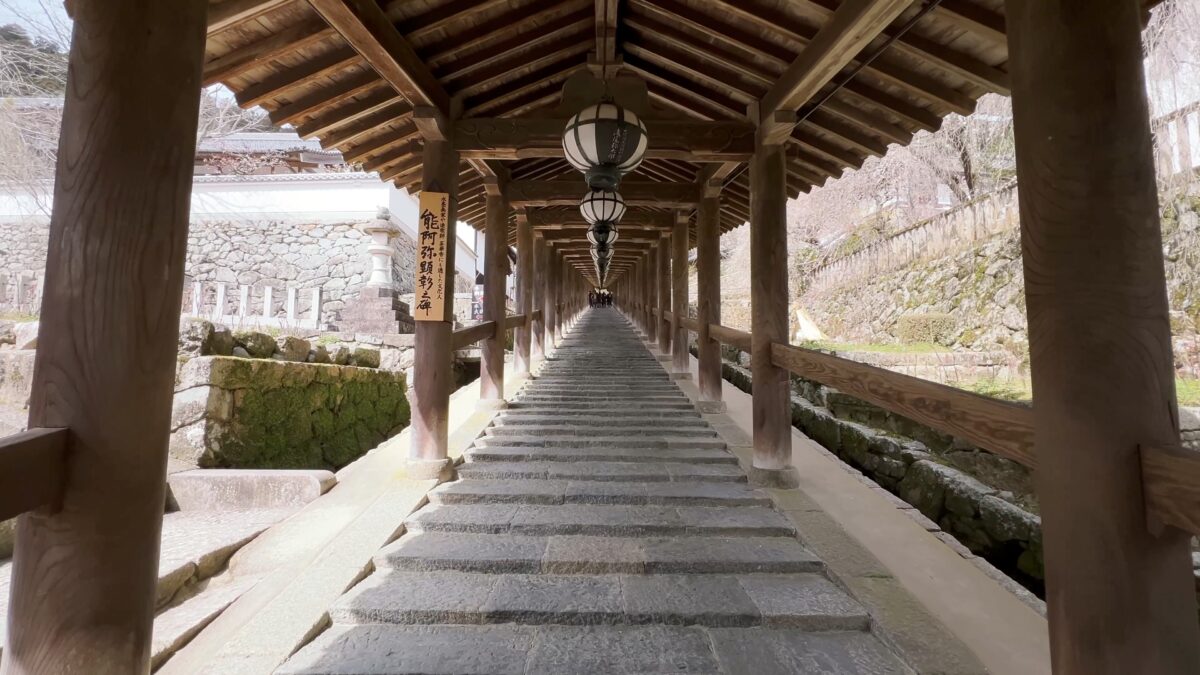
Main Hall Structure
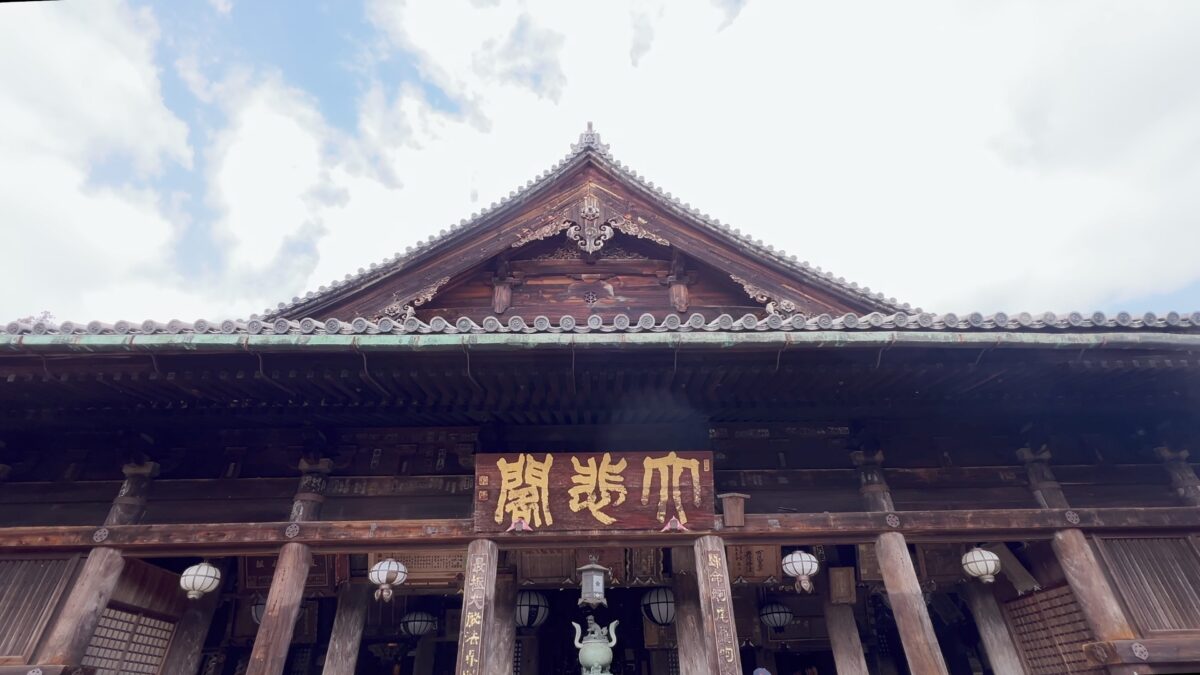
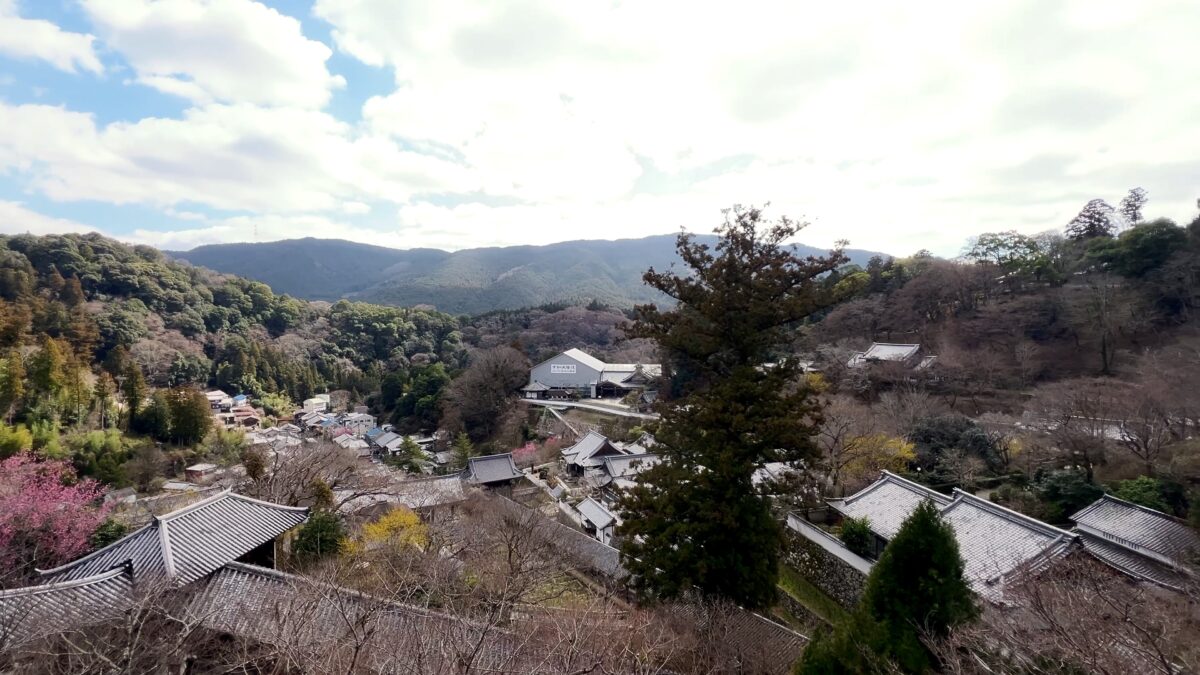
The main hall is built protruding over a cliff, providing a wide panoramic view looking down. It is a structure that simultaneously conveys the sense of stability characteristic of wooden architecture and the openness of its elevated position. Statue of Kannon
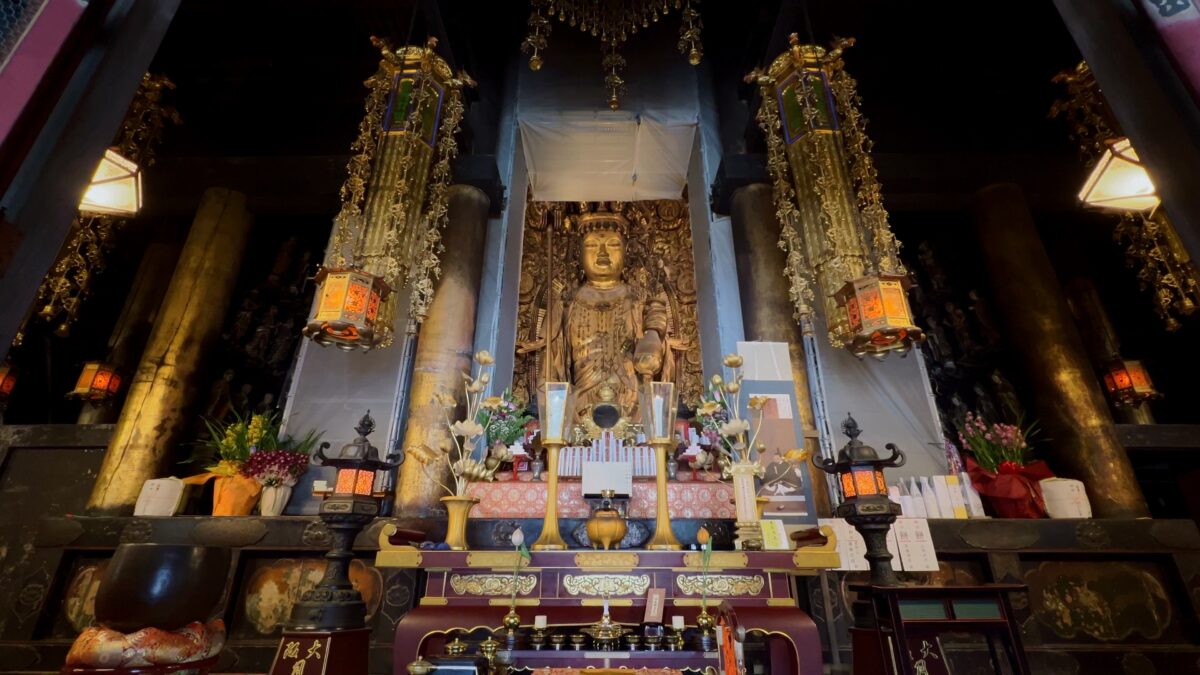
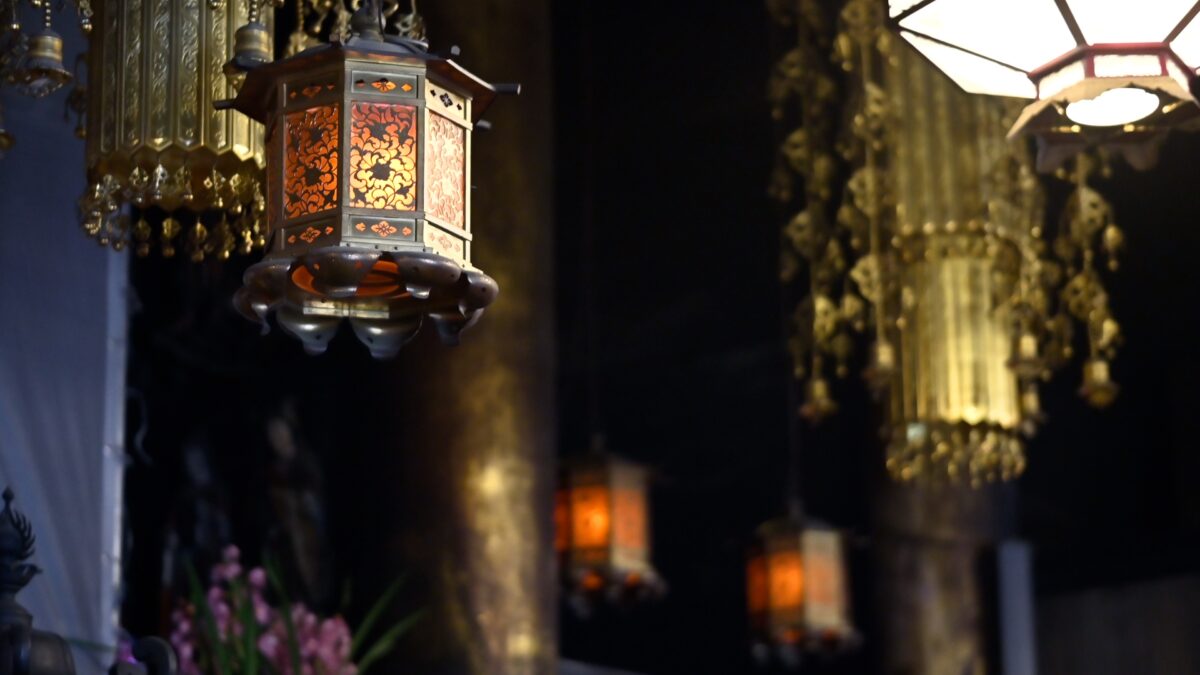
A large statue of the Eleven-Faced Kannon is enshrined inside the main hall. It is one of the larger statues in Japan and serves as the central object of worship. During certain periods, visitors can worship up close.
Scenery of the Four Seasons
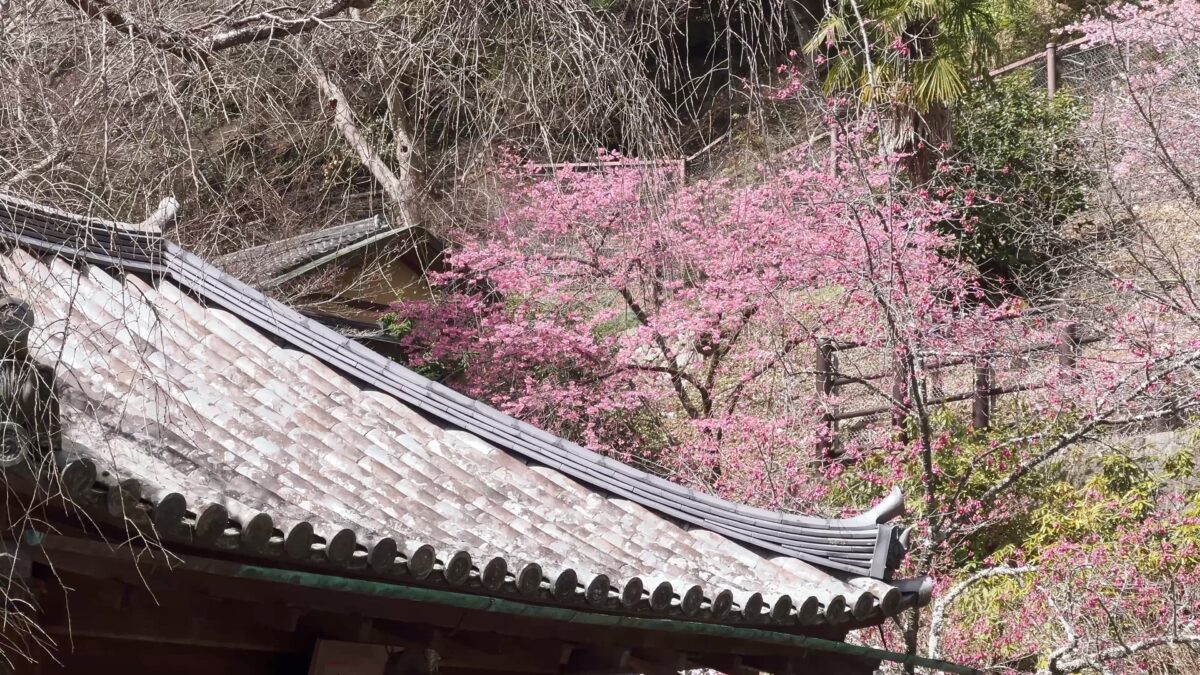
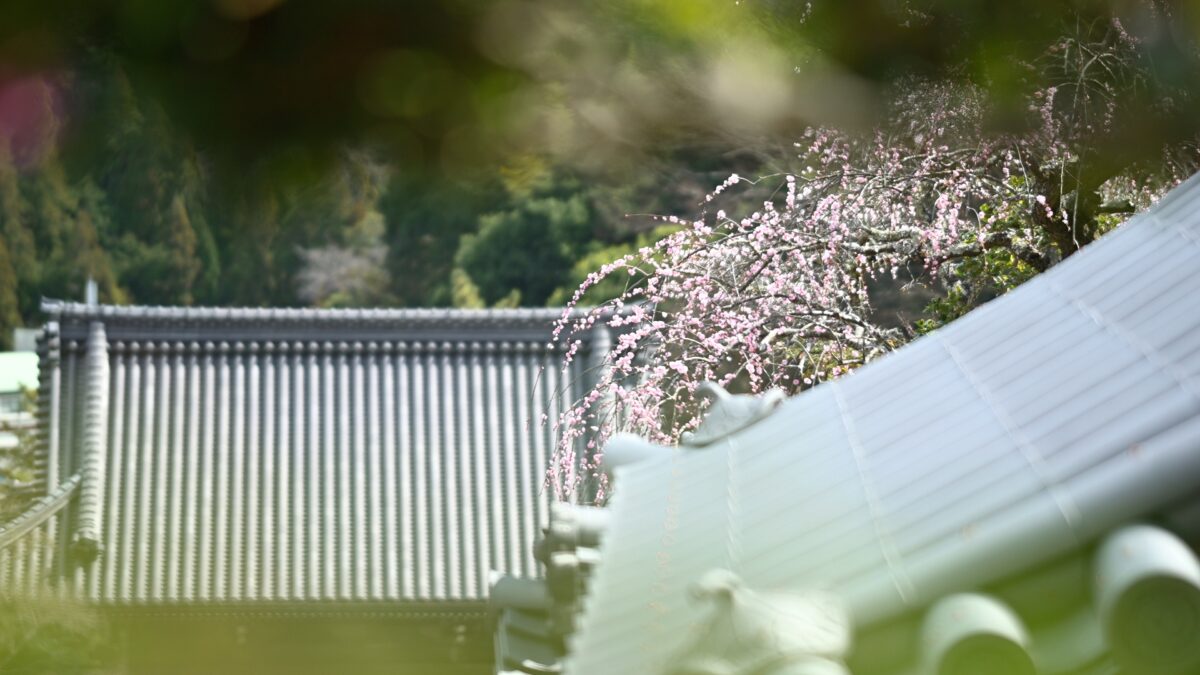
Hasedera features distinct seasonal landscapes. In particular, peonies bloom profusely in spring, while autumn foliage covers the entire temple grounds. It is characterized by a harmonious blend of nature and architecture.
Spatial Composition
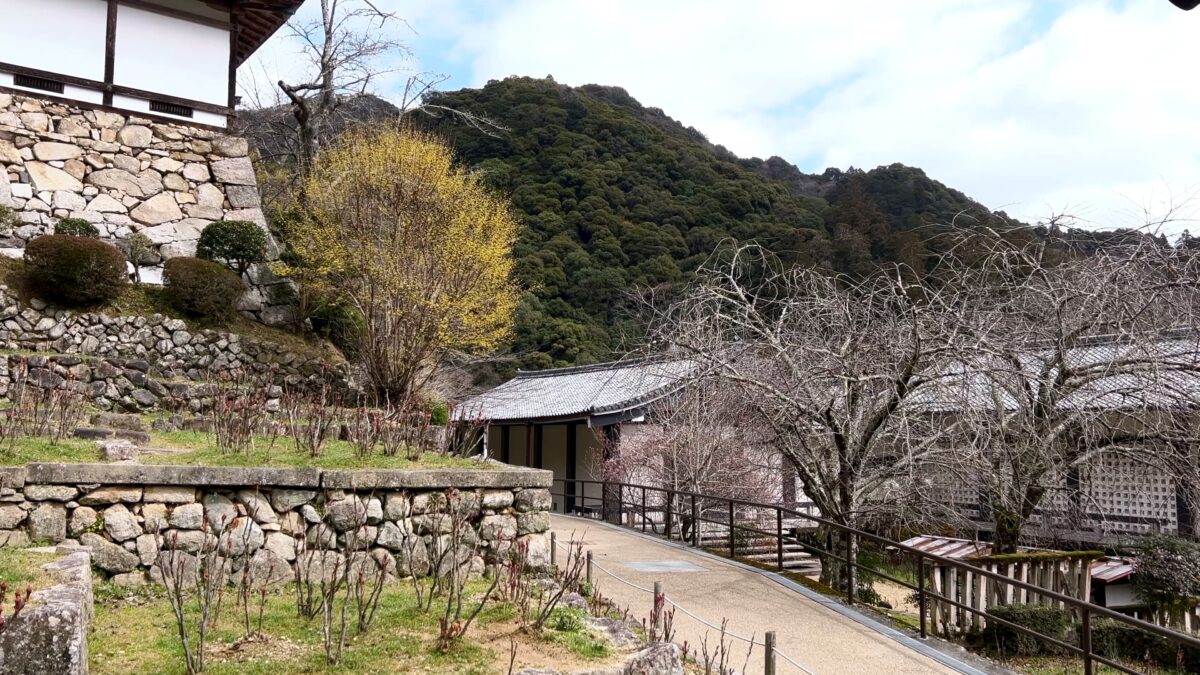
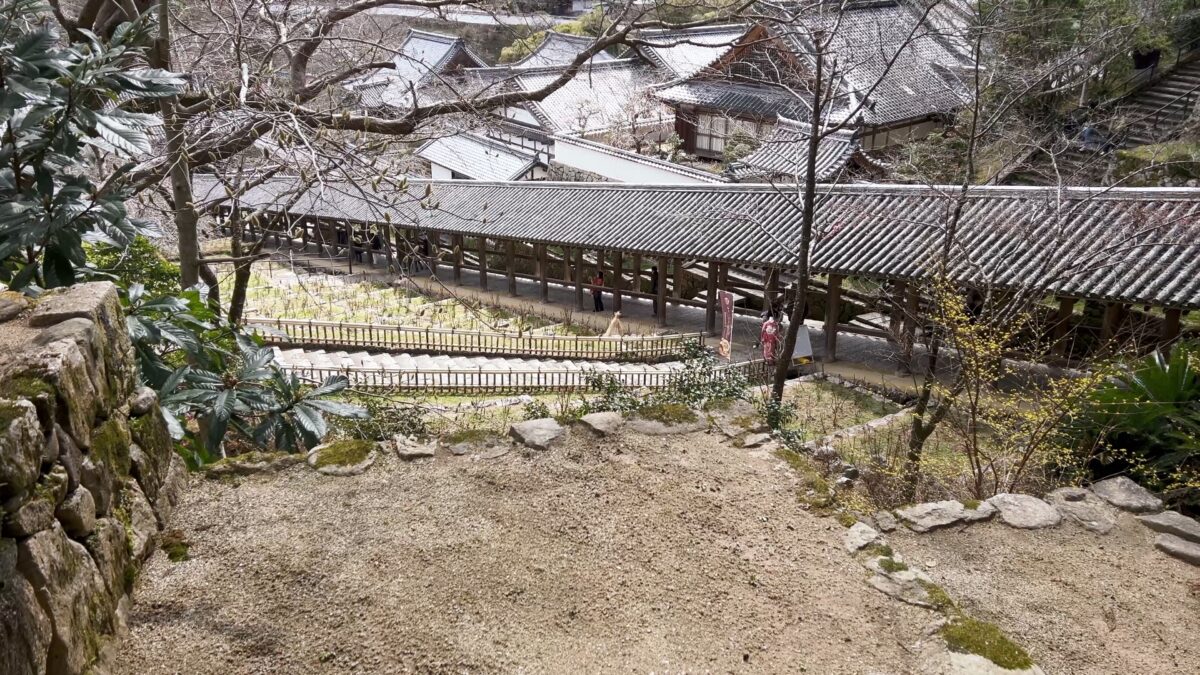
Hasedera is not a single structure but rather a series of interconnected buildings that follow the mountain. The flow begins at the entrance and proceeds along the stairs to reach the main hall, with various pavilions and spaces arranged along the way.
This composition creates a flow where the atmosphere changes gradually, rather than a simple movement.
Characteristics from a Visitor’s Perspective
Hasedera is a place where the elements experienced during the movement are more important than simply viewing specific points. As you ascend the stairs, the view, the atmosphere, and the surrounding environment continuously change, shaping the overall experience. In addition, compared to major temples in Kyoto, it is relatively less crowded, allowing for a more relaxed experience of the space.
Summary
* A historic temple founded in the 7th century
* A corridor structure with 399 steps
* The main hall atop a cliff with an open view
* A worship space centered around a large statue of Kannon
* A natural environment with distinct seasonal changes
Conclusion
Hasedera is not a place viewed from a single focal point, but rather a temple where the entire flow from the entrance to the main hall constitutes a single experience.
Todaiji Temple, a magnificent temple that overwhelms you with its size
The story of Nara Park, a wonderful park where you can play with deer

Automatically generate travel itineraries with AI
Create a custom itinerary that is actually feasible based on the destinations in this article.
We create recommended places at your destination and a schedule tailored to your travel purpose.
• Anyone can use it once a day.
• Please use this only as a reference for drafting your travel plans.
• The food theme is excluded due to store closures.
• It will take some time (about 20 seconds) to reflect the latest information. Please wait a moment.