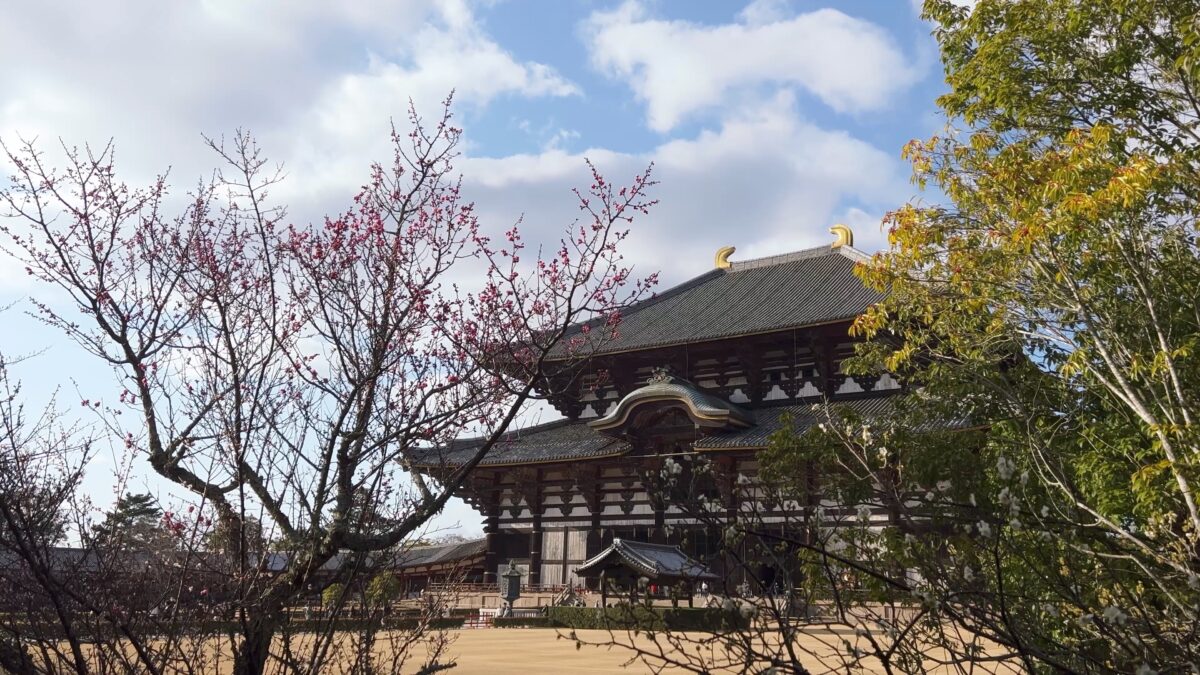
The representative festivals that adorn the four seasons of Todaiji are the ‘Shunie (Omizutori)’ in March and the ‘Mantō Kōyōkai’ in August.
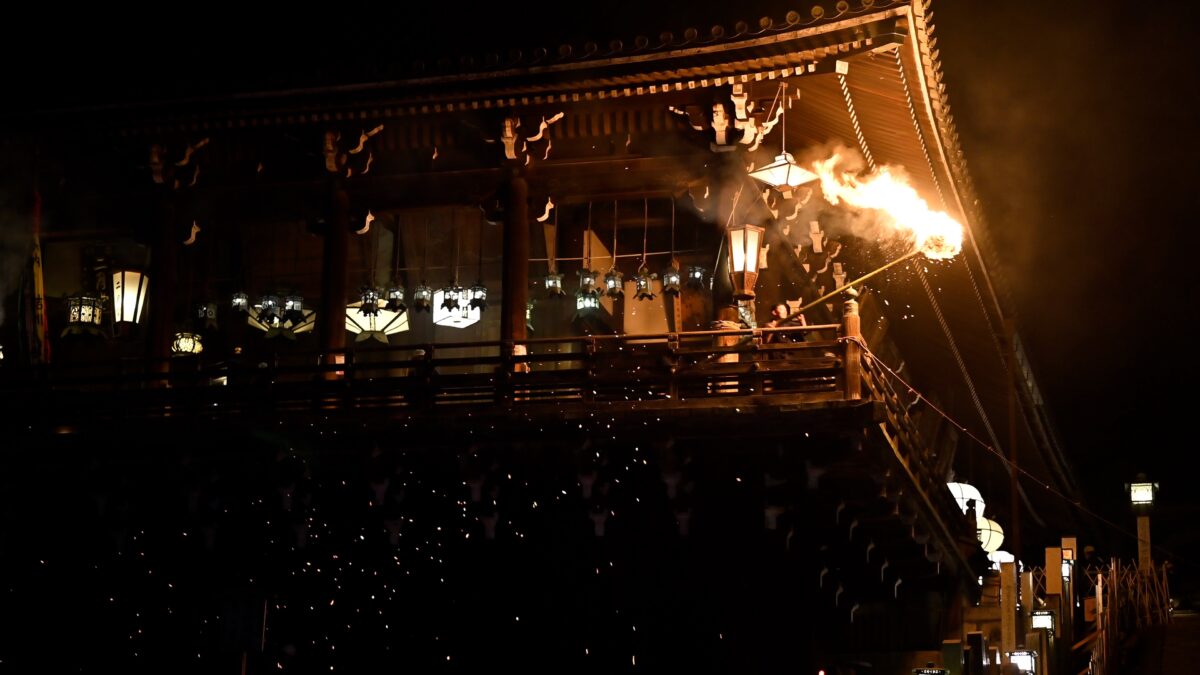
1. The Thousand-Year Flame Awakening Spring, Shunie (Omizutori)
Period: March 1st – March 14th every year
Location: Todaiji Nigatsuden
If you were to name the most famous and historic festival at Todaiji, it would undoubtedly be ‘Shunie’. This Buddhist ritual, which has continued without interruption since its inception in 752, is a symbolic event announcing the arrival of spring in the ancient city of Nara.
Otaimasu (Torch Ritual)
Every night at 7:00 PM during the festival, monks carrying giant bamboo torches run through the corridors of Nigatsuden. The sight of countless massive flames and sparks scattering in the darkness creates an overwhelming spectacle. There is a superstition that being struck by these sparks grants longevity and good health for the year and wards off bad luck, attracting pilgrims from all over the world.
Omizutori (Drawing the Water of Life)
On the night of March 12 (early morning of the 13th), the highlight of the festival, the ‘Omizutori,’ takes place. This is a secret ritual to draw sacred water from a well beneath Nigatsuden to offer to the Buddha, unfolding in an atmosphere of extreme solemnity and majesty.
2. A Fantastic Sea of Lanterns on a Midsummer Night, the Ten Thousand Lantern Offering Ceremony
Date: August 15th every year (7:00 PM – 9:30 PM)
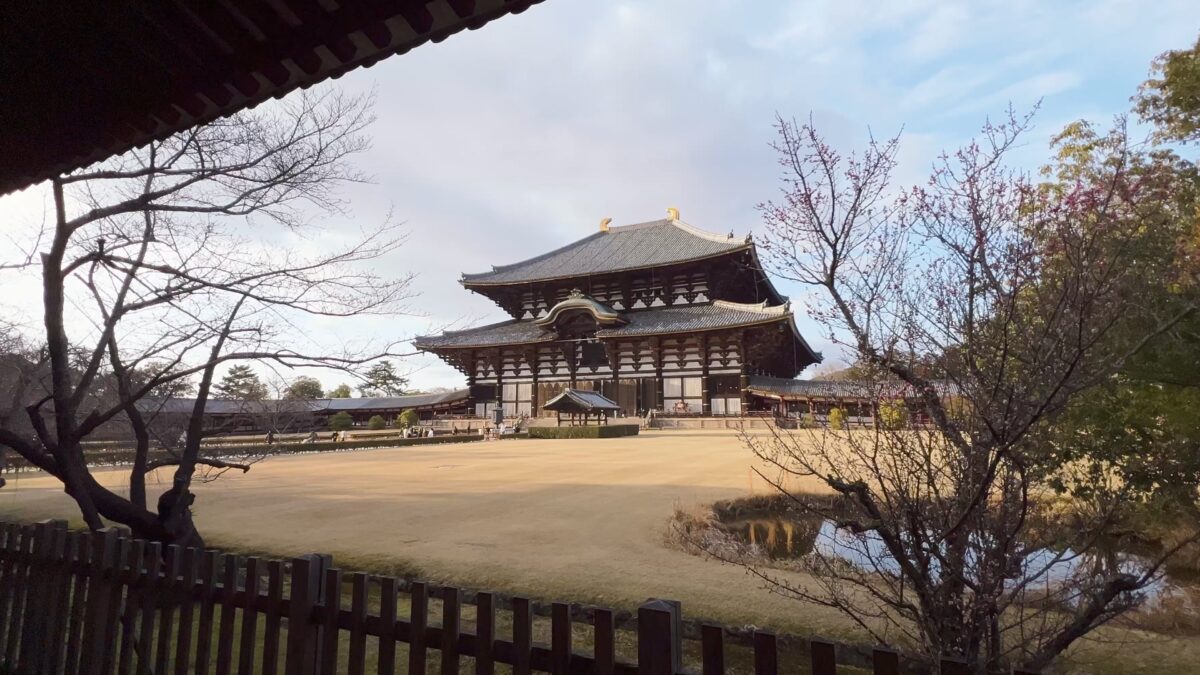
Location: Todaiji Great Buddha Hall
This is the ultimate nighttime event you must not miss if you visit Todaiji during the summer. It is held on August 15th, the last day of Obon, a Japanese holiday similar to the Lantern Festival.
2,500 Lanterns
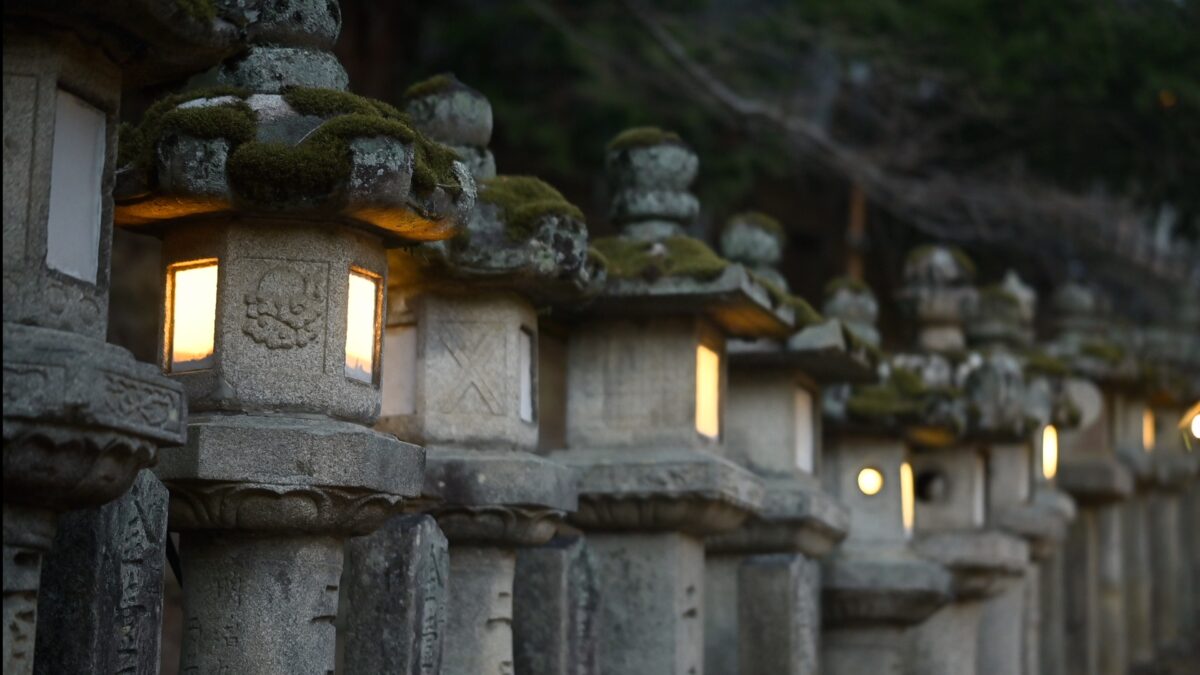
Approximately 2,500 stone lanterns and lanterns light up simultaneously along the approach path leading to the Great Buddha Hall and throughout the temple grounds. As the soft glow of the lanterns fills the space, a tranquil and fantastical world unfolds before your eyes, completely different from the grandeur of the day.
The Great Buddha’s Smile Beyond the Window
Only on this day of the year is the window (Kan’chō) located beneath the roof of the Great Buddha Hall’s front facade opened. This is the only opportunity to directly view the face of the ‘Nara Daibutsu’ from a distance, from the courtyard of the Daibutsu-den or the approach path, whereas normally you can only see it by entering the building.
3. Traditional Events at Todaiji to Enjoy by Season
🌸 Spring: ‘Butseikai’ (Birth Ceremony) Celebrating the Birth of the Buddha
Date: Every year on April 8
Location: Todaiji Daibutsu-den
A spectacular flower festival (Hanamatsuri) commemorating the birth of Shakyamuni takes place. A small pavilion decorated with countless flowers is erected in front of the Daibutsu-den, and this spring event features a warm and peaceful atmosphere where sweet sweet tea is poured over the baby Buddha statue to pray for health and peace.
🍁 Autumn: Moon Viewing Amidst the Gentle Nightscape, ‘Seventeen-Night Bon Odori’
Date: September 17th every year (after 6:00 PM)
Location: Todaiji Nigatsuden Plaza
In mid-September, when the autumn breeze begins to cool, countless lanterns are lit around Nigatsuden, and an event featuring the traditional Japanese dance ‘Bon Odori’ is held in the plaza beneath them. Travelers can freely participate in the dance alongside local residents, allowing them to experience the most human and friendly atmosphere of a festival.
❄️ Winter: ‘Setsubun Festival’ to Drive Away Bad Luck and Bring Good Fortune
Date: Around February 3rd every year
Location: Todaiji Nigatsuden
In time for the season marking the end of winter and the beginning of spring, colorful rituals to ward off evil spirits are performed throughout the day. In particular, in the afternoon, a delightful event takes place on the Nigatsuden stage where monks and visitors shout “Demons begone, and blessings enter” while scattering beans on a massive scale, making it a great way to create joyful winter memories.
Videos related to Todai-ji Temple
💡 Survival Tips for Festival Visitors
1. Visiting the March Shunie (Omizutori): On the night of March 12th, when the fireworks burn the brightest, massive crowds gather, and entry may be restricted for safety reasons. If you want to watch from a good spot, it is recommended to arrive and wait at least 1 to 2 hours before the event starts. Also, as temperatures drop sharply at night, warm outerwear is essential.
2. Visiting the August Ten Thousand Lantern Offering Ceremony: If you plan to take photos at night, please check on-site whether tripods are permitted. Since movement paths may be restricted to protect the lanterns, you must follow the instructions of the staff to ensure a safe and enjoyable viewing experience.