The Heart of Kyoto Where Time and Space Stand Still: The Ninenzaka Tour Story
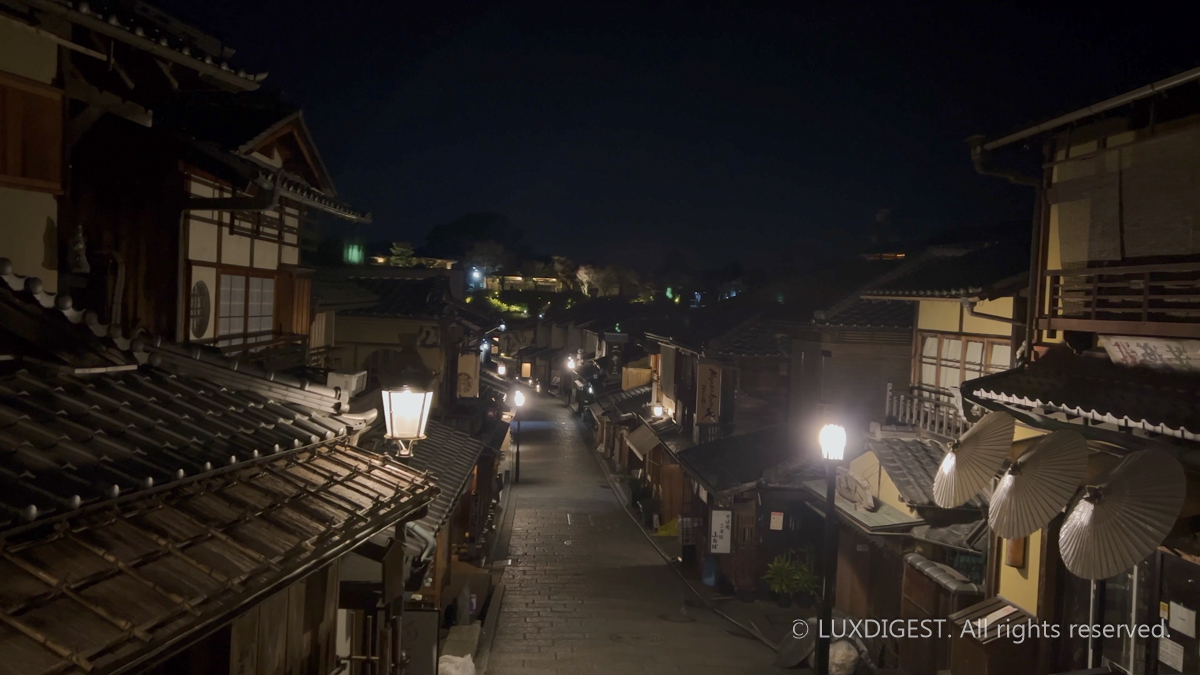
“If you fall on Ninenzaka, bad luck will follow within two years.”
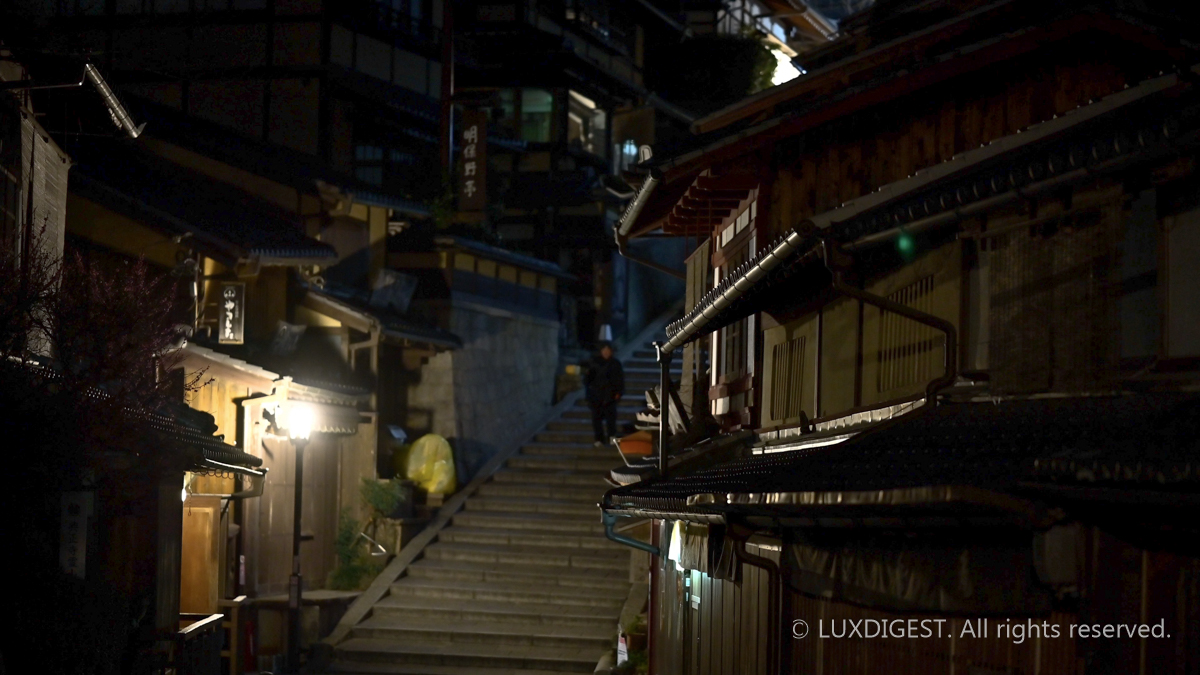
This humorous superstition, passed down on Ninenzaka—the steep stone staircase in Higashiyama, Kyoto—is, paradoxically, proof of how stubbornly this street has preserved its old appearance for such a long time.
The rough stone pavements and faded wooden houses, once walked by travelers during the Edo period hundreds of years ago, now captivate the footsteps of modern travelers.
It is not merely a fleeting Instagram photo spot. Let us uncover the narratives and history hidden in every corner of this alley, as well as the deep inner workings of Kyoto unfolding around Ninenzaka.
1. History and Strange Legends Hidden Behind the Name
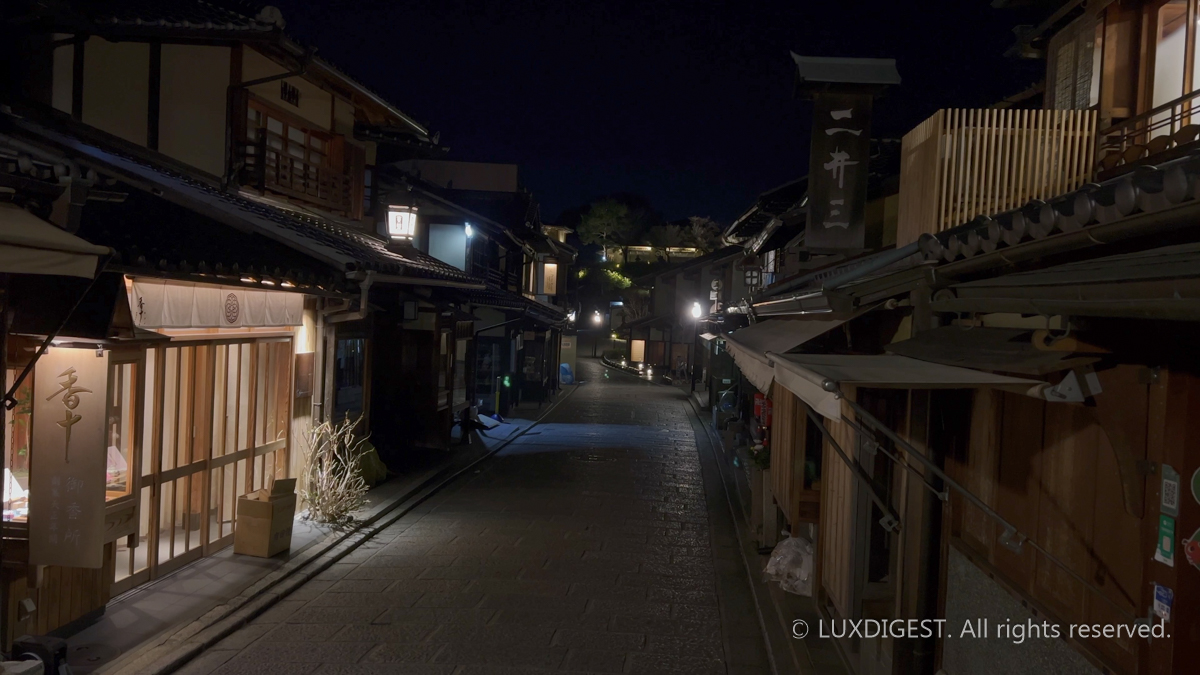
To fully experience Ninenzaka, you must understand the narratives embedded in every stone under your feet and every name of the street. This road was officially developed in 807 AD (the second year of the Daido era).
The prevailing theory is that it was named “Ninenzaka” because it was built in the second year of “Daido,” the Japanese era name at the time.
This aligns with the fact that Sannenzaka, located just above it, was constructed the following year in 808, naturally becoming the “third pass.”
However, what truly sparks travelers’ curiosity is the legend that “if you fall, you will face misfortune within two years.” Since this was historically a path taken by heavily pregnant women heading to Kiyomizu-dera Temple to receive amulets praying for the mother’s well-being, the warning message to absolutely avoid falling on the steep stairs was distorted.
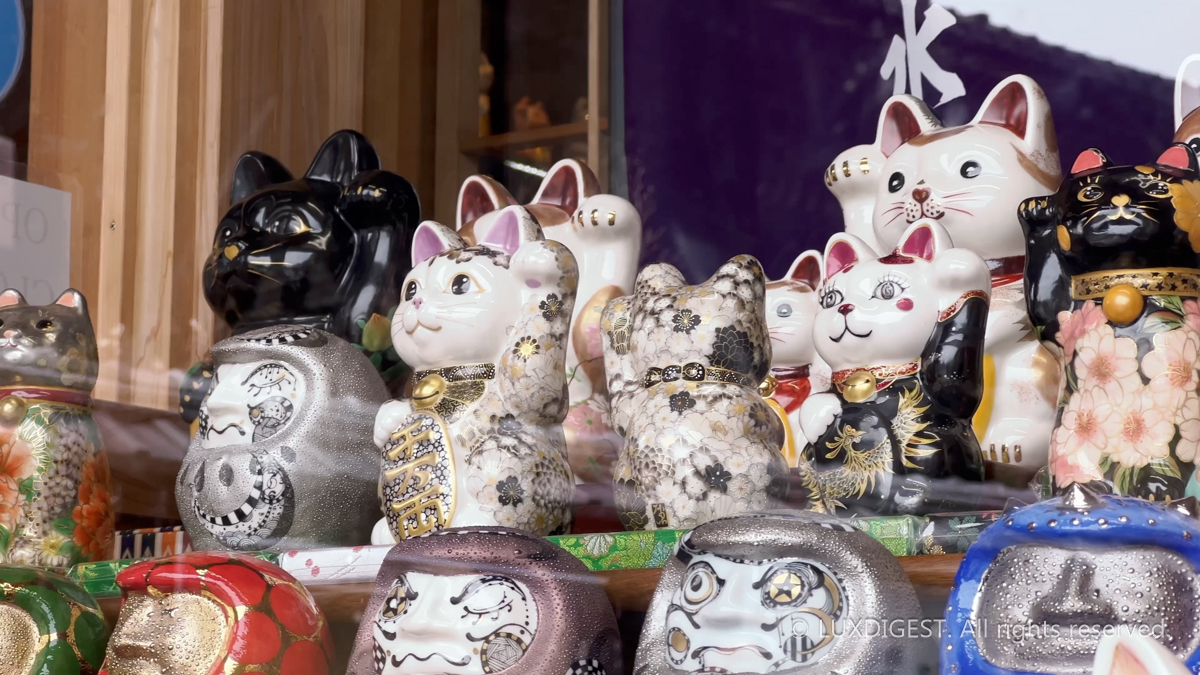
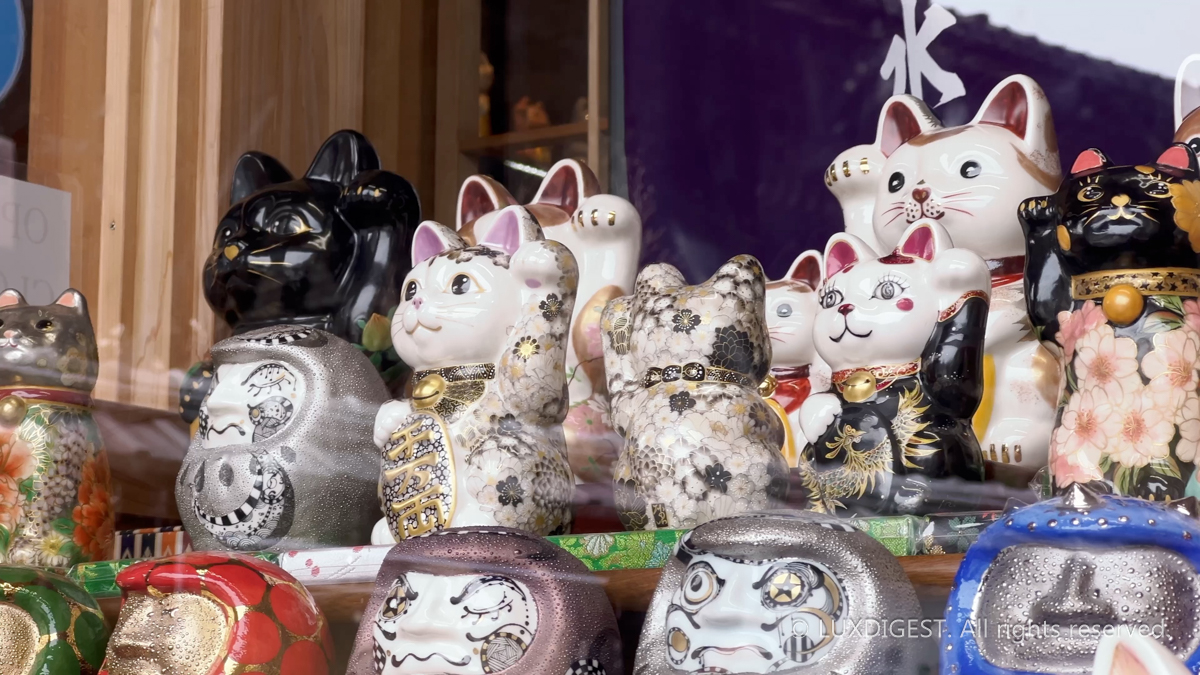
If you actually stumble while walking this path, do not panic; simply head down to the shopping street below the stairs. Here, bottle gourds (Hyotan) are sold, believed to ward off bad luck. The combination of tradition and a delightful marketing tactic—claiming that buying a gourd will prevent misfortune even if you fall—creates a unique attraction that continues to this day.
2. The Aesthetics of Space: Kyomachiya and Landscapes Where Time Is Preserved
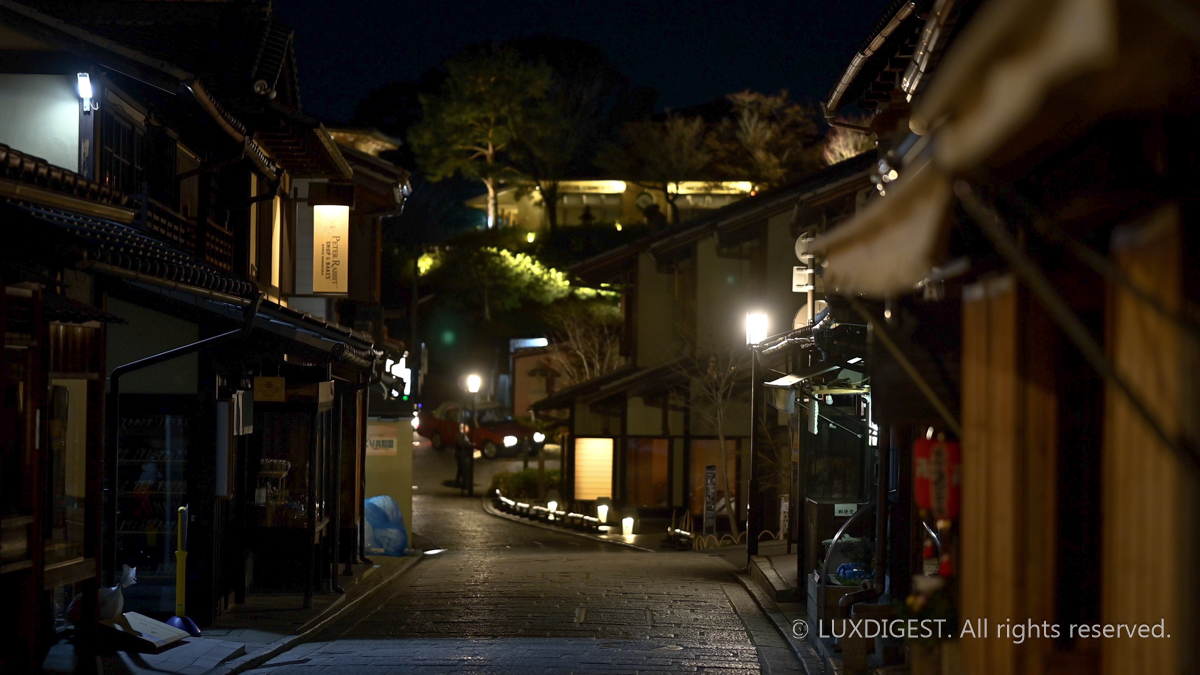
The traditional houses filling the streets of Ninenzaka are a unique form of Kyoto housing known as “Kyomachiya.”
If you look closely at these buildings, you will notice that while the width of the facade is very narrow, the structure deepens endlessly as you move further inside.
This is due to a tax system from the Edo period that levied taxes based on the width of a building’s road frontage. The wisdom of commoners who narrowed the facade and extended the back to save on taxes has, in a sense, established itself in modern times as Kyoto’s unique architectural aesthetic.
The tightly woven wooden latticework (Koshi) on the windows is a practical structure that blocks views from the outside while allowing a clear view of the outside from the inside. The Japanese government designated this street as a “Preservation District for Important Traditional Buildings” and completed the undergrounding of power lines. This is precisely why, no matter where you look in the alley, you cannot see any power lines or modern concrete structures obstructing the view.
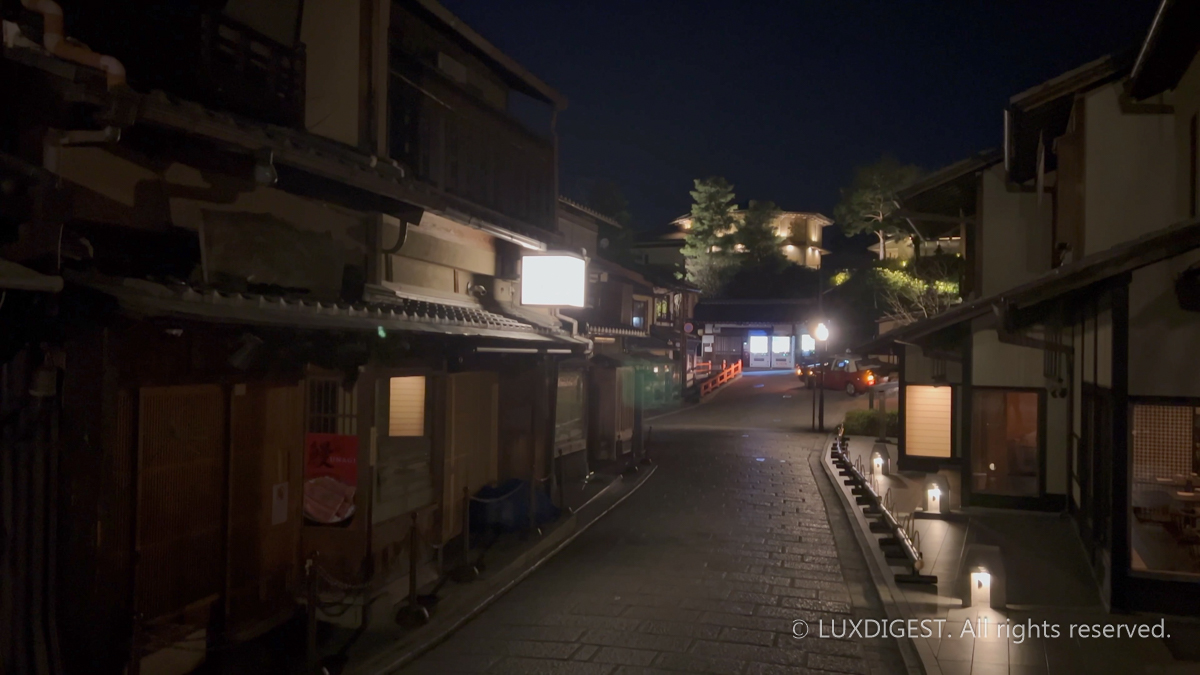
On a night when the rain falls softly, when the paper lanterns (jochin) hanging under the eaves are lit, a soft golden light reflects off the wet stone pavement, bringing an indescribable analog lyricism to its peak.
3. Special Episodes in Ninenzaka: The Art of Coexistence
Walking through Ninenzaka, you encounter a magnificent example demonstrating how a massive brand of modern civilization can perfectly compromise with and blend into local traditions.
This is the “Starbucks Coffee Kyoto Ninenzaka Yasaka Chaya Store.”
Renovated from a two-story tatami house over 100 years old, this store is the Starbucks that introduced the world’s first “tatami room where you take off your shoes before entering.”
There is no giant green sign here that symbolizes Starbucks. Instead, a logo is discreetly embroidered in black on a subtle navy blue awning (noren) that does not detract from the atmosphere of the house.
Passing through the narrow, dark hallway inside and ascending to the second floor, you can sit on traditional cushions and enjoy a cup of coffee while gazing at centuries-old tiled roofs through the lattice windows.
The moment when the scent of ancient tatami mats blends exquisitely with the modern Americano is a luxury permitted only at Ninenzaka.
Another interesting anecdote concerns the “rickshaw drivers” (shafu) who protect this area. Dressed in traditional attire and boasting robust physiques, they are not merely a means of transportation, but walking history guides.
They know exactly which angle in the alleys yields the most beautiful composition for photos and generously share information about hidden local eateries.
Even if Japanese is not spoken, they infuse travelers with unyielding vitality through their unique, cheerful gestures and English.
4. Verified Local Restaurants and Cafes Near Ninenzaka
Just as the saying goes, “Even the most beautiful scenery is best enjoyed after a meal,” the perfect way to complete a stroll through Ninenzaka is to savor Kyoto’s traditions. Here are some must-visit gourmet spots hidden within the alleys and their surroundings.
* KasogiOn Matsubara: A high-end udon and soba specialty restaurant located near Ninenzaka. The chewy noodles, made fresh every morning, and the clear, deep umami broth unique to Kyoto are superb. In particular, the “Nishin Soba,” topped with tender herring, is a representative traditional Kyoto dish; while it may be polarizing, it is well worth trying at least once.
* Hisago: A restaurant specializing in Oyako-don (chicken and egg rice bowl), located near Nene-no-michi, a 5-minute walk from Ninenzaka. Established in 1930, this establishment boasts a perpetually long queue due to the perfect harmony of tender chicken, fresh eggs, and pungent sansho pepper. * Kasoh Tachibana: A hidden café where you can enjoy refined Kyoto-style green tea and desserts while gazing at a tranquil garden from inside a traditional house. The rich matcha parfait and matcha fondue captivate even the palates of travelers who do not like sweets.
5. Recommended Extended Destinations for a Perfect Day
The awe-inspiring experience of Ninenzaka is amplified when connected to key nearby attractions in a grand line, rather than viewed in isolation. We suggest an optimal walking course that spans from morning to night.
* Kiyomizu-dera Temple: This serves as both the end and the starting point of Ninenzaka. Perched atop a massive cliff, the main hall stage (Butai), built entirely of wood without using a single nail, offers the best panoramic view overlooking downtown Kyoto.
During the autumn foliage and spring cherry blossom seasons, the temple is open at night, allowing visitors to witness a fantastic light show.
* Sannenzaka: A staircase path located right above Ninenzaka. The slope is slightly steeper than Ninenzaka, and the street is packed with souvenir shops, perfume stores, and traditional fan shops on both sides, making it quite fun to browse.
* Yasaka Koshin-do: A small temple located just a short walk down from Ninenzaka.
The walls here are covered with “kukuri-zaru,” colorful cloth pouches shaped like monkeys inscribed with wishes. Thanks to their vibrant colors, it is considered the hottest photo spot among young travelers.
* Gion & Hanamikoji: When evening comes, head down from Ninenzaka to Gion. It is a historic entertainment district symbolizing Kyoto’s nightlife, where, if you are lucky, you might encounter real “geisha” or “maiko” dressed in costume, hurrying to banquet halls.
6. Recommendations for the Best Luxury Hotels Near Ninenzaka to Elevate Your Experience
If you wish to fully experience the tranquil atmosphere of Ninenzaka and have the quiet alleys of dawn all to yourself, staying at a hotel near this area is the wisest choice.
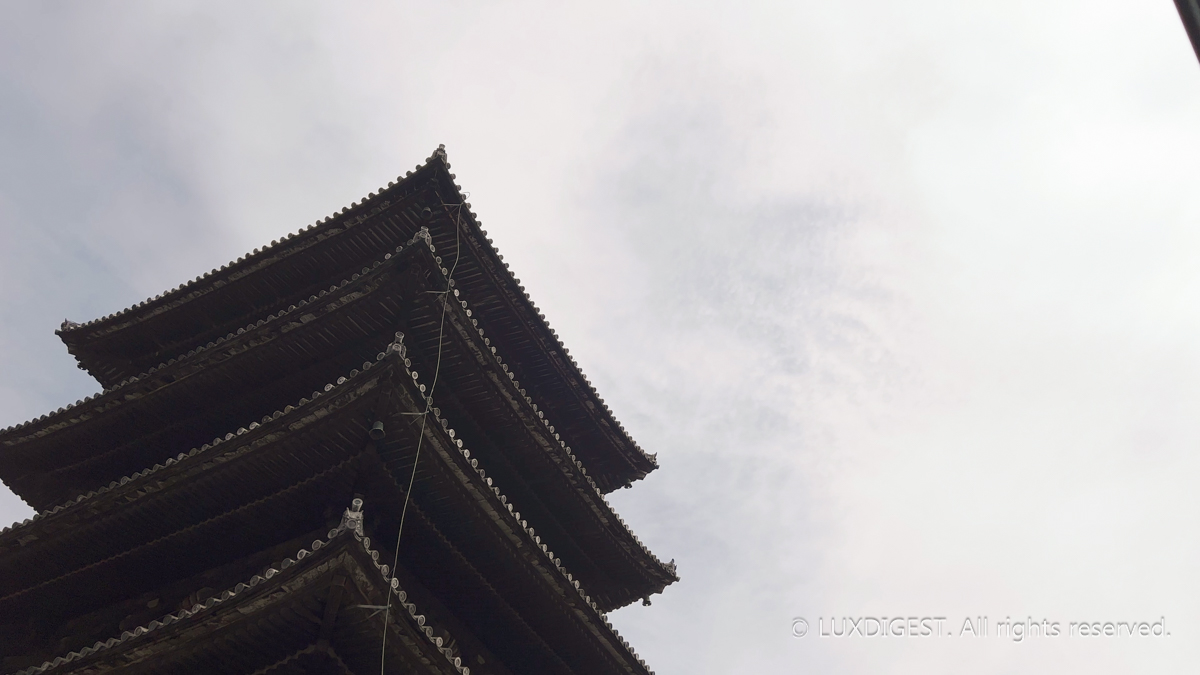
* The Park Hyatt Kyoto: This is a top-tier luxury hotel located right in the heart of the Ninenzaka alleys. Combining the structure of traditional Kyoto gardens with the modern sophistication of Hyatt, guests can enjoy exclusive views of the tiled roofs of Ninenzaka and the distant Yasaka Pagoda through their guest room windows. The sunset viewed from the hotel’s restaurant is considered by far the best in Kyoto.
* The Sowaka Kyoto: This is a luxury boutique hotel situated between Gion and Ninenzaka. Renovated from a former high-end ryokan, it maintains the traditional Sukiya-zukuri architectural style while offering modern comfort. It is the perfect place for a peaceful rest while overlooking a private garden.
* Kyoto Garden Palace / Local Ryokans: If you want to experience a more traditional Japanese stay, choosing a small ryokan nearby is a good option. Waking up early to take a stroll through the deserted Ninenzaka and then returning to enjoy a refined Japanese breakfast (Kyokaiseki) will create unforgettable memories.
Final Practical Tips for Travelers
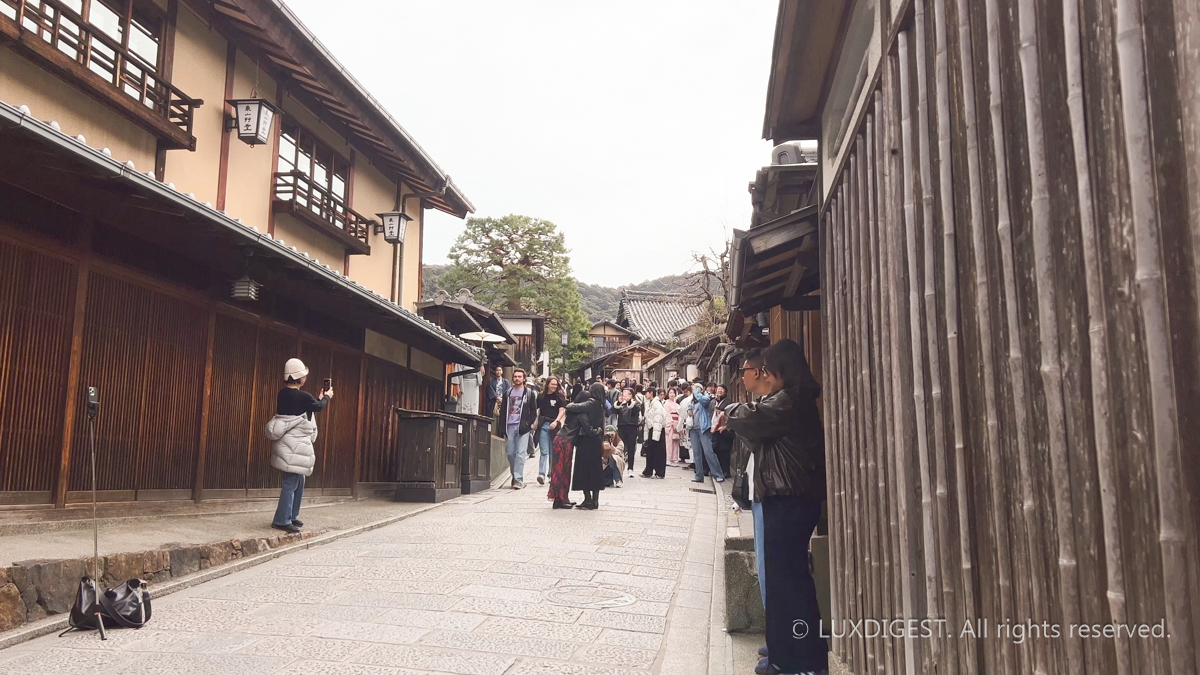
1. Choosing the Right Time Is Everything: If you want to capture the noise-free ancient Kyoto on camera, visit before 7 AM or after 8 PM. Once the group tourists have left, the streets become your own private space.
2. Wear Comfortable Shoes: The stone pavements carved from natural stone and the steep stairs are beautiful to look at, but they are very harsh to walk on. Wearing high heels for a pretty photo is likely to lead to disappointment, so wear sneakers with good traction. When trying on a kimono, be sure to check the fit of the geta (wooden sandals).
3. Observe Etiquette: This is also a living space where residents actually live. You must strictly refrain from trespassing into private yards or forcibly thrusting cameras at passing maikos.
Ninenzaka is not merely a passageway for hurrying toward a destination. It is a “space of slowness” that reveals its true value only when you slow your pace and listen to the sound of wind chimes swaying in the breeze and the scent of old wood.
On this trip to Kyoto, please set aside your busy daily life for a moment and listen to the thousand-year story that Ninenzaka tells.
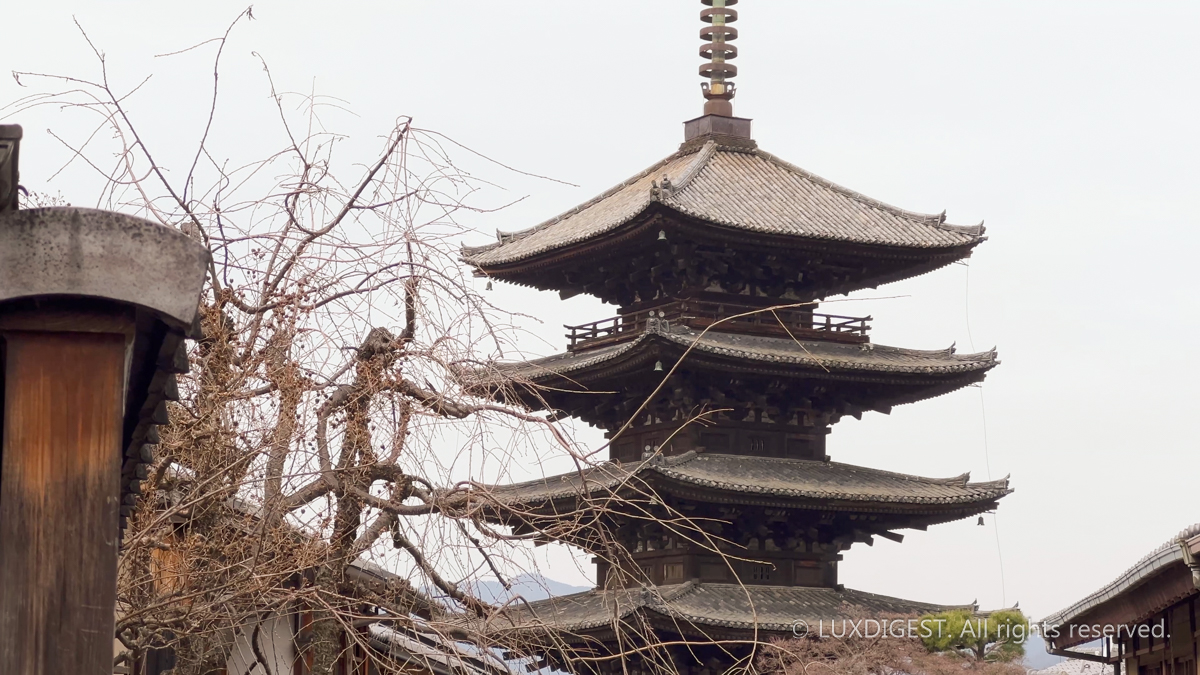
Sannenjaka Ninenjaka-related video