Gyeongju Donggung and Wolji – A Space Left Behind at the Center of Silla’s Royal Capital
Gyeongju Donggung and Wolji is a space of deep structure and significance that is too profound to be consumed merely as a spot for taking photos.
During the Unified Silla period, this was an annex of the palace where royal life, rituals, and even diplomatic receptions took place.
The pond and some restored pavilions that remain today are only a fraction of it; in reality, it was a three-dimensional space that functioned at the very center of the royal capital.
The landscape we see today is not a completed architectural structure, but rather the “form of traces” revealed through excavation and restoration.
Only by understanding this point can one move beyond viewing it simply as a nightscape attraction and begin to appreciate it properly.
Name and Concept – ‘Wolji,’ Not ‘Anapji’
While many people still use the name ‘Anapji,’ this name was given after the Joseon Dynasty when wild geese and ducks began to flock to the pond, which had fallen into ruin. Its original name was ‘Wolji (Moon Pond).’ Because the Donggung, where the prince resided, was located here, the current name used is Donggung and Wolji.
This difference is not merely a matter of naming, but a matter of perception. The name Anapji evokes the image of an “abandoned pond,” whereas Wolji carries the meaning of a “royal space.” How this place is understood is already determined by these names.
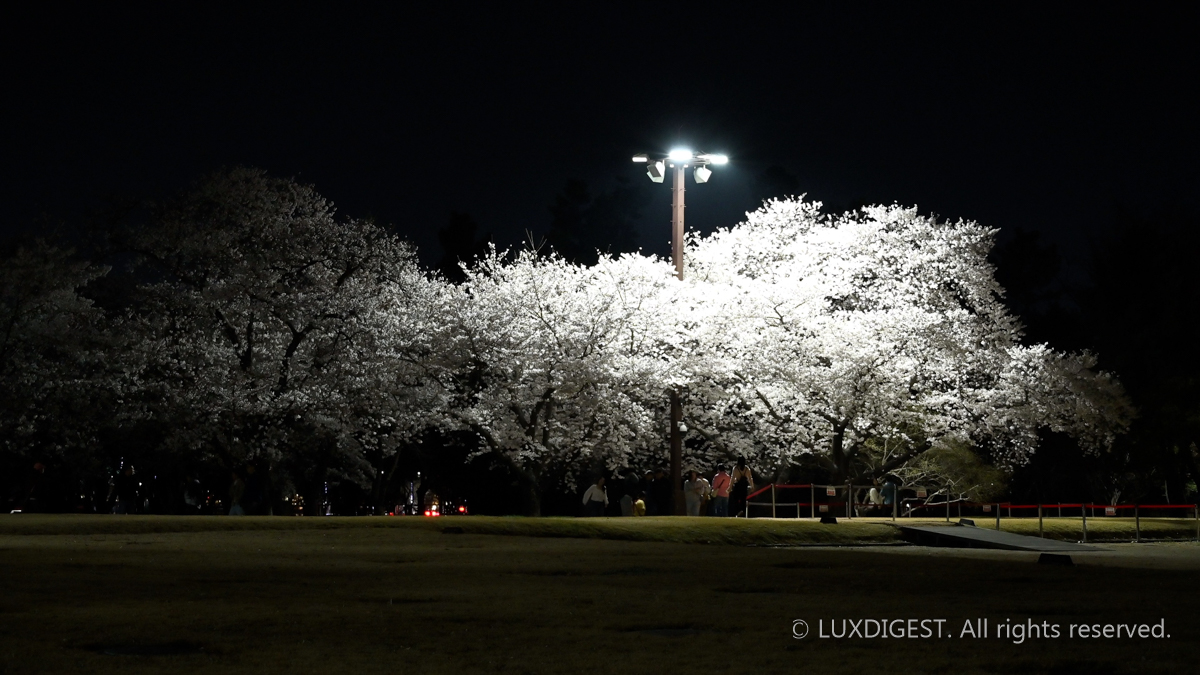
Historical Background – A Royal Space and a Diplomatic Stage
The history of Donggung and Wolji begins with records stating that a pond was created and a mound was built within the palace grounds in the 14th year of King Munmu (674). Subsequently, the Donggung was constructed in 679 and served as the residence of the princes.
This space was not merely a residence, but a venue where royal ceremonies, banquets, and the reception of foreign envoys took place. Records also remain that a banquet was held at Imhaejeon Hall here in the 5th year of King Gyeongsun (931) for King Taejo Wang Geon of Goryeo.
In other words, this place served as:
* A living space for the princes
* A space for state ceremonies
* A space for diplomatic receptions
It was a place where these three roles existed simultaneously. The pond that remains today was the central element of this system, serving not merely as landscaping, but as a means of authority and staging.
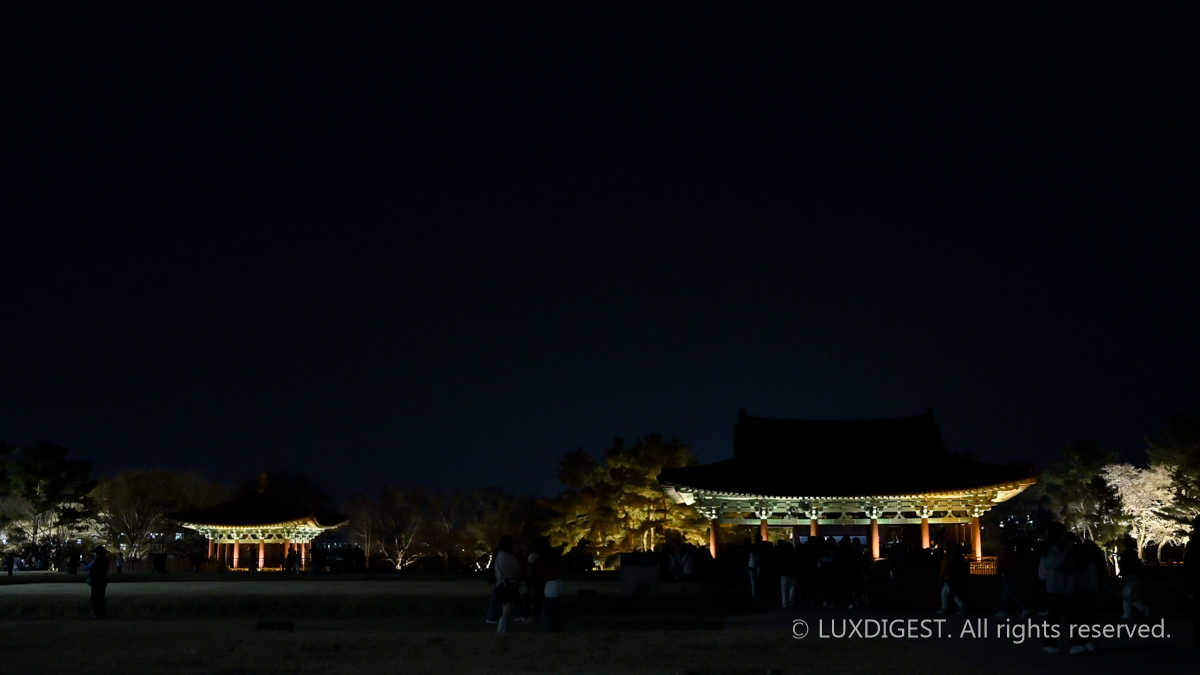
Spatial Structure – Calculated Sights and Flow
Wolji measures approximately 200 meters from east to west and 180 meters from north to south. However, it is not a simple rectangular pond.
* Southwest: Linear structure
* Northeast: Curved structure
Thanks to this structure, the entire site is not visible from a single point; instead, the landscape unfolds in stages as one moves.
In other words, this space is not a “space that reveals everything at once,” but a “space that compels one to walk.”
Furthermore, the name Imhaejeon itself means “a pavilion overlooking the sea,” suggesting the possibility that the pond was constructed not merely as water, but as a miniature world. Silla did not stop at simply making this space beautiful; they also designed the very way it is viewed.
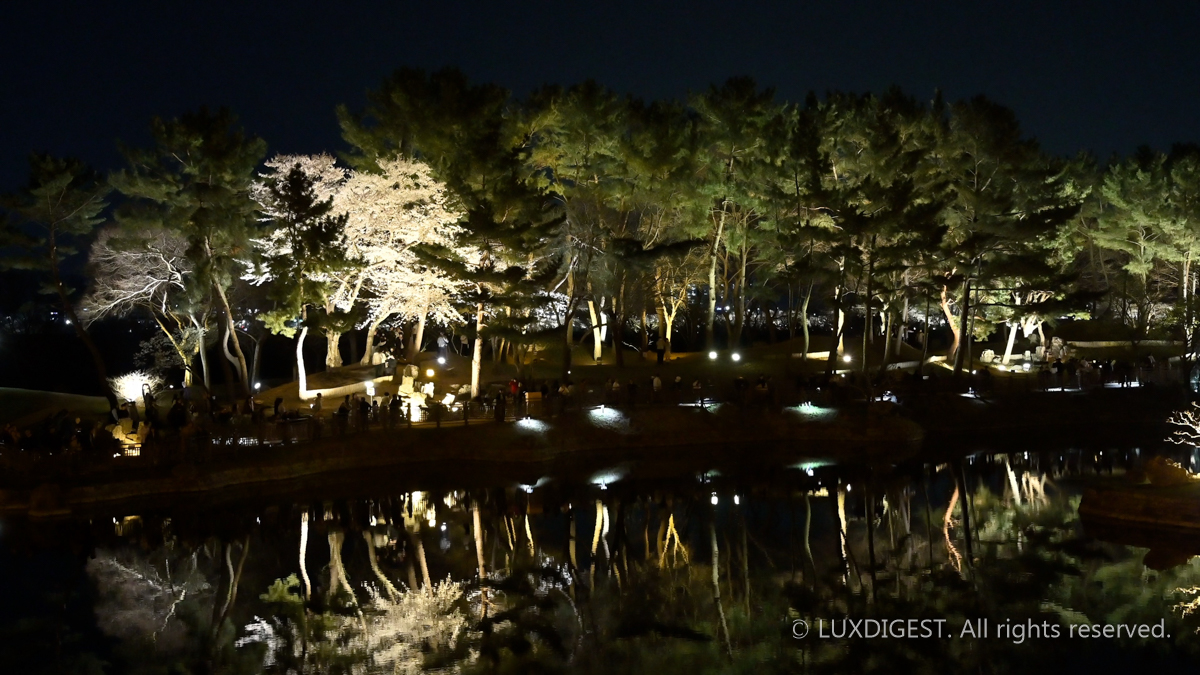
Excavation and Artifacts – The True Value That Is Not Visible
The structure and nature of this site were clearly revealed during an excavation combined with dredging in 1975. What was confirmed during this process was that historical records matched the actual remains.
** In addition, over 33,000 artifacts have been excavated in this area, including roof tiles, bricks, household tools, glass cups, and metal crafts.
These artifacts are not merely decorations; they serve as evidence of the royal family’s standard of living and international exchanges during that period. Items such as glass cups, in particular, are interpreted as proof that Silla was connected to external cultures.
Currently, these artifacts are on display at the Gyeongju National Museum, and viewing them alongside the actual site significantly enhances understanding.
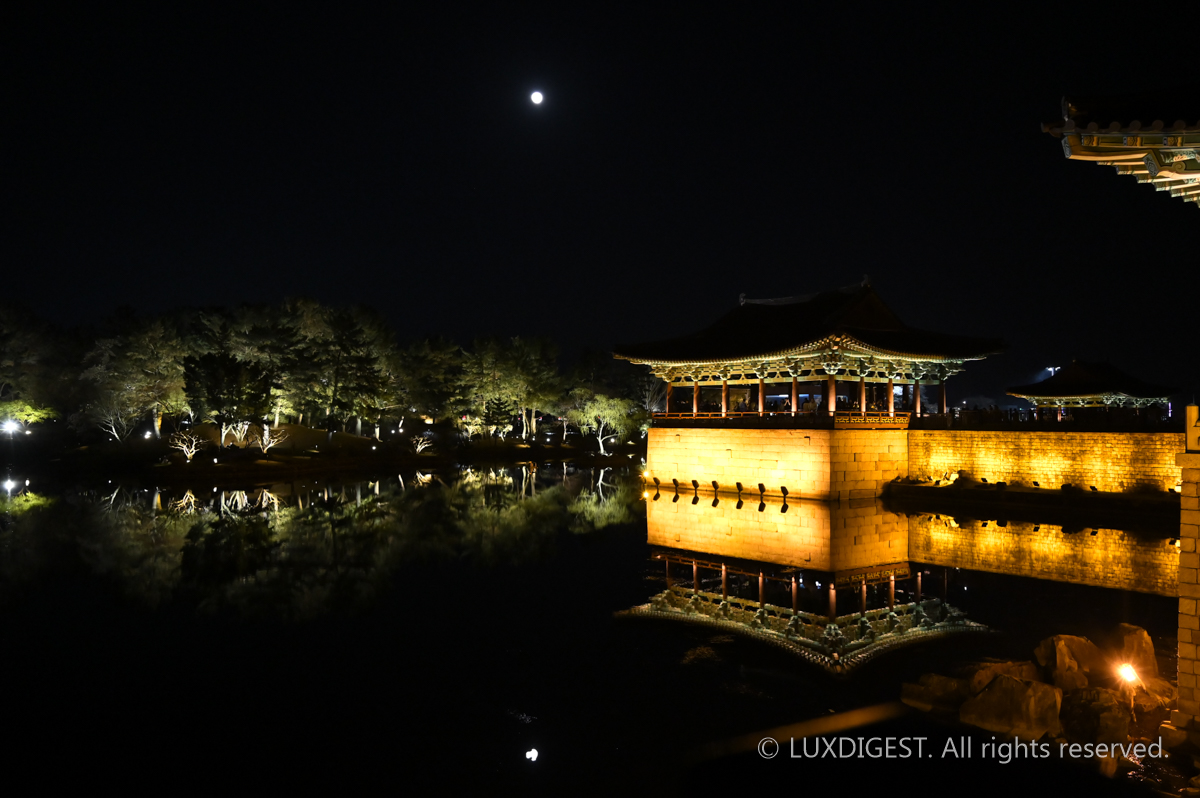
Visitor Information – Key Elements for an Actual Visit
* Address: 102 Wonhwa-ro, Gyeongju-si, Gyeongbuk
* Operating Hours: 09:00 ~ 22:00
* Ticket Sales Close: 21:30
* Closed: None (Open year-round)
* Admission Fee:
* Adults: 4,000 KRW
* Youths: 2,000 KRW
* Children: 1,000 KRW
Free parking is available nearby, and accessibility is excellent relative to the center of downtown Gyeongju. Timing of Visit – Differences in Character Between Day and Night
Donggung Palace and Wolji Pond appear like completely different places depending on the time of day.
**Day**
* Suitable for grasping the structure and circulation paths
* Allows for understanding the building layout and pond design
**Dusk ~ Night**
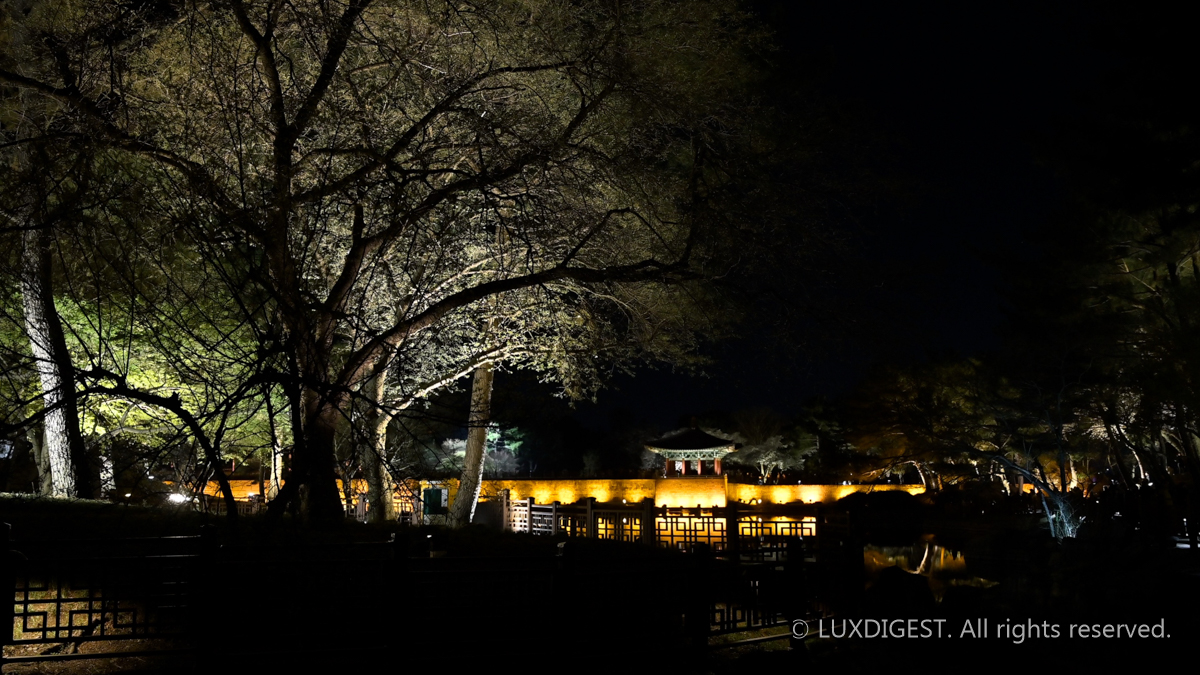
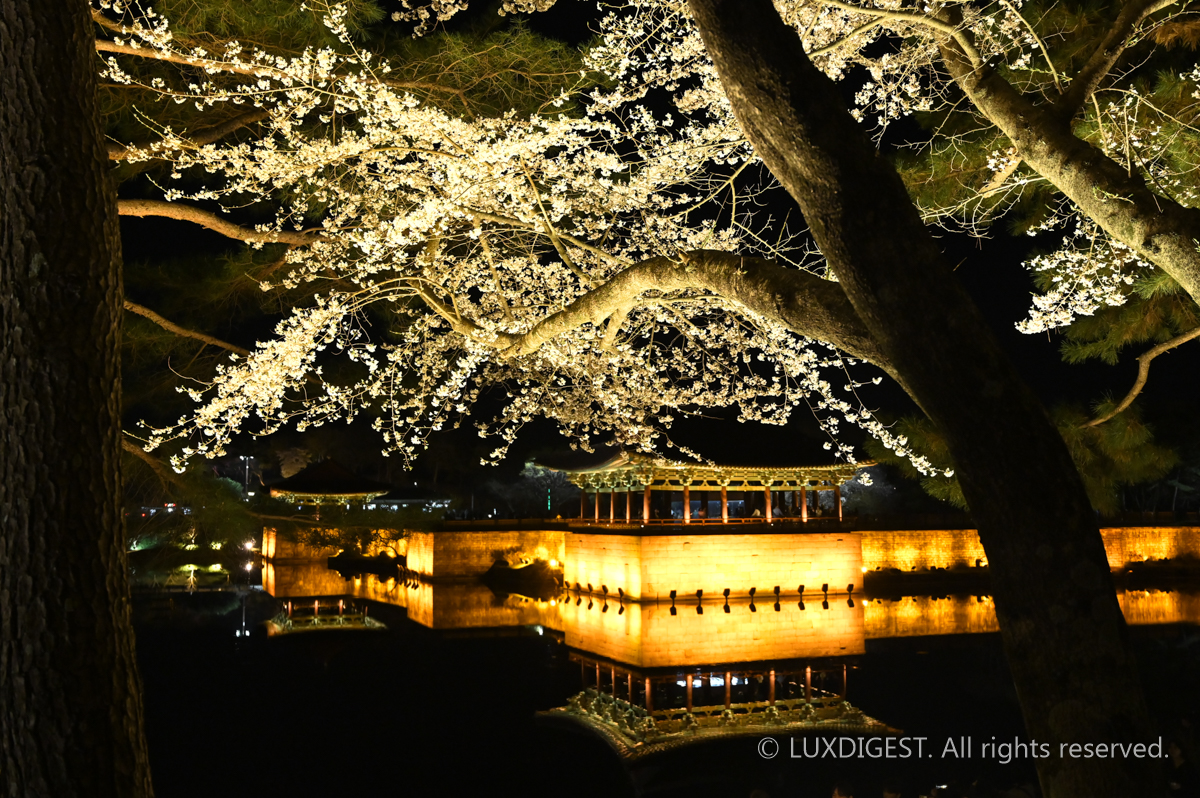
* Combination of lighting and reflections on the water surface
* Emphasizes the silhouettes of the pavilions
* Highest concentration of visitors
To view efficiently:
👉 Enter before sunset → Take a full circuit to grasp the structure → Revisit at night
This is the most reliable method.
For more detailed information, please refer to the video below.
Surrounding Infrastructure – A ‘Central Hub’ Rather Than a Single Tourist Spot
Donggung Palace and Wolji Pond are located within the Wolseong District of the Gyeongju Historic Areas.
Key historic sites such as
* Wolseong Fortress
* Gyerim Forest
* Cheomseongdae Observatory
are densely concentrated in the surrounding area.
Because of this structure, Donggung Palace and Wolji Pond
functions not as a place to
take a quick photo and be done with
👉 as a central axis of the historical circulation path within downtown Gyeongju.
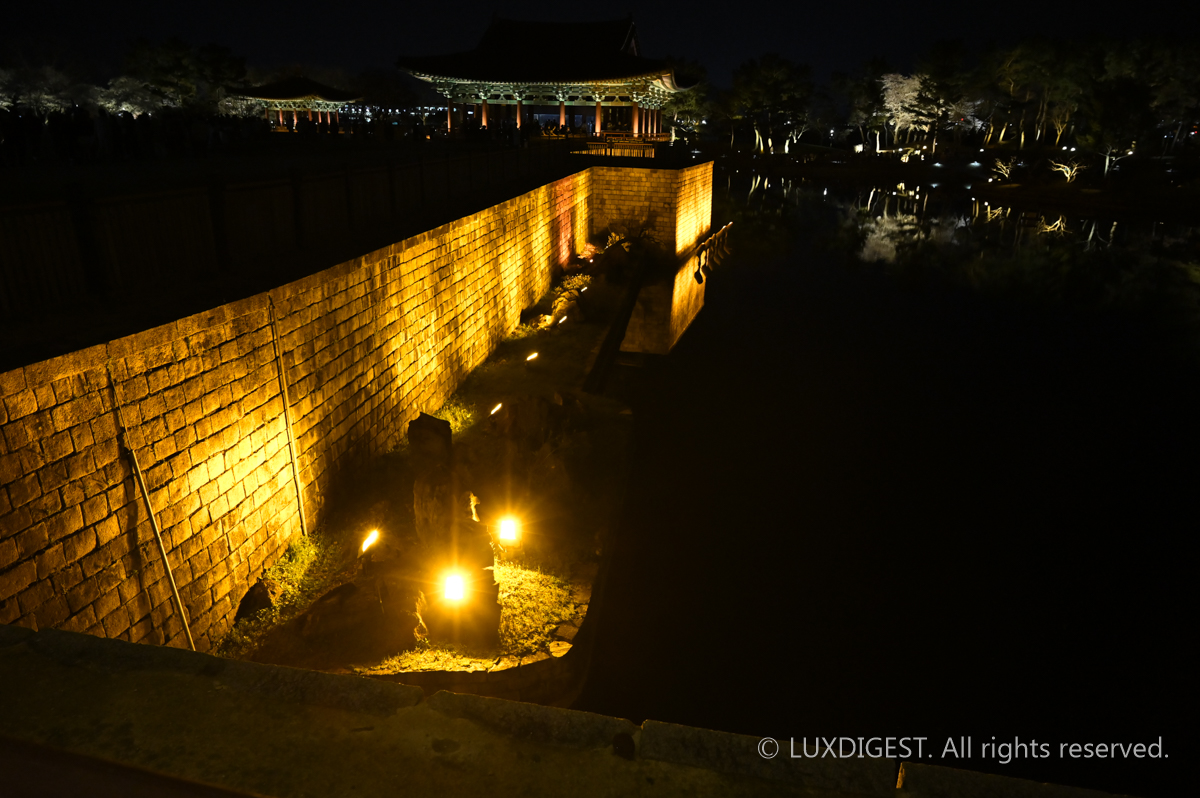
Viewing Perspective – How to View This Place**
The most common misconception regarding this place is the reaction that it is “simpler than expected.” The reason is that it is not a completed structure, but rather a place with partial restoration and many empty spaces.
However, this emptiness is the key.
Donggung and Wolji are
* not completed architecture,
* but a “historical site that inspires imagination” based on
* remaining structures and traces,
* and excavated facts.
It is not just a pond and a few pavilions;
you must read the royal family, politics, rituals, and diplomacy that lay behind it to see it properly.
In summary,
Donggung and Wolji are the most popular destination in Gyeongju, yet they are also the space that requires the most interpretation.
* On the surface, a famous night view spot
* In reality, a royal palace ruin
* Structurally, a calculated landscaped space
* Historically, a center of diplomacy and rituals
These four elements overlap simultaneously.
It appears light in photographs,
but feels heavy when you know its background.
Therefore, this is not a place to be seen once and forgotten,
but a space that looks different the more you know.
Recommended Places to Visit in Gyeongju – Wonjeonggyo
Hasedera Temple – Have you been to the place with the impressive entrance stairs?