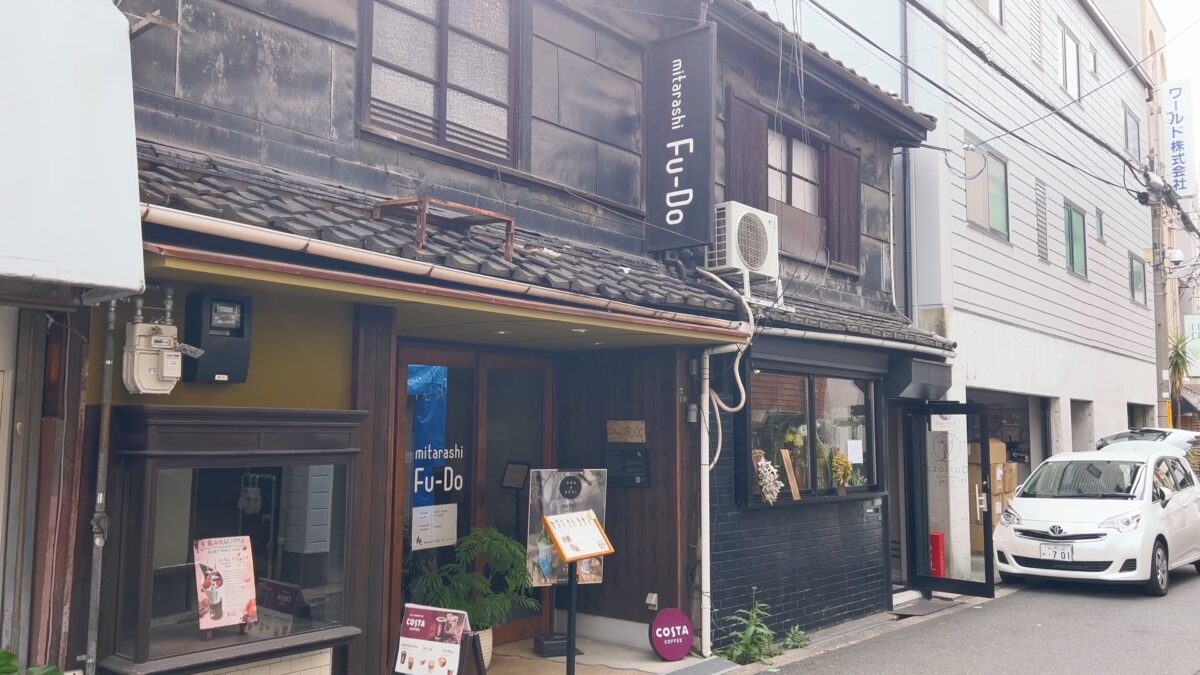
Nakazaki-cho is an old residential area located north of Umeda, Osaka’s central commercial district. While it is currently known as a district densely packed with cafes and small shops, it was originally a general residential area. The history of the area’s current form was influenced by the war and the process of urban development. Although most of downtown Osaka was transformed into modern buildings through post-war redevelopment, the Nakazaki-cho area was relatively spared from major development, leaving behind wooden houses in their traditional form.
These remaining houses began to be utilized for other purposes after the 2000s. Because rents were relatively low and the spaces could be used without significant structural changes, young entrepreneurs began opening cafes and small shops. Rather than demolishing existing buildings and rebuilding, many opted for simple interior renovations. As a result, there has been an increase in shops that maintain the exterior of the old houses while transforming the interiors into modern spaces.
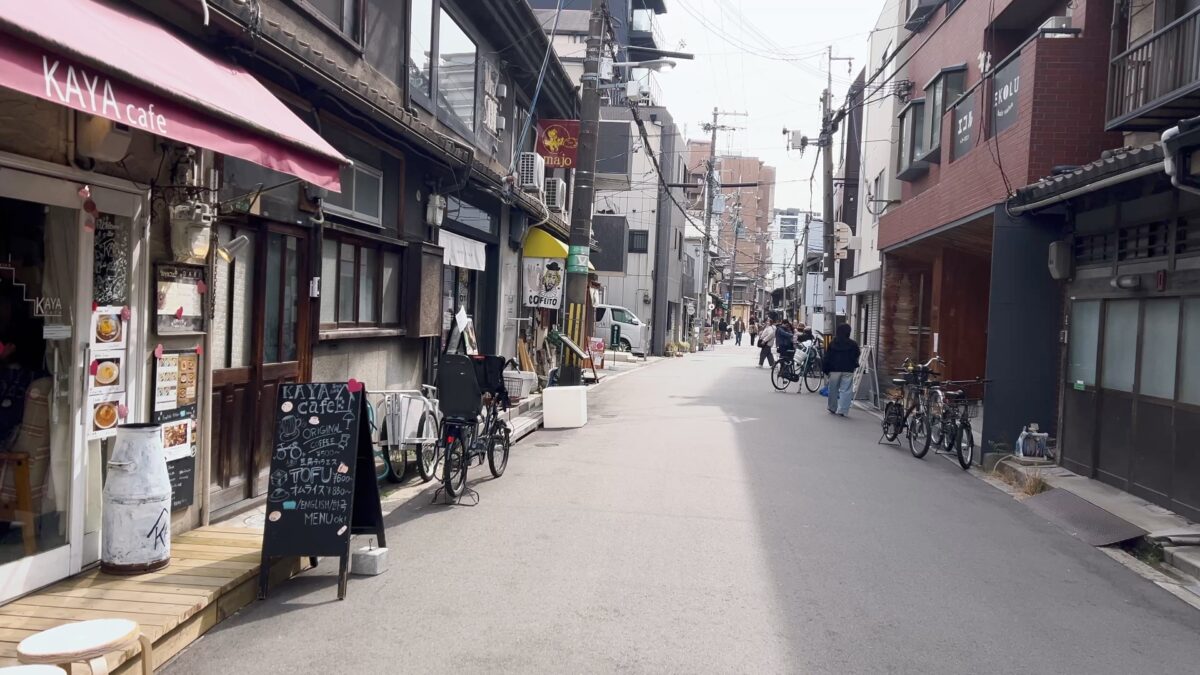
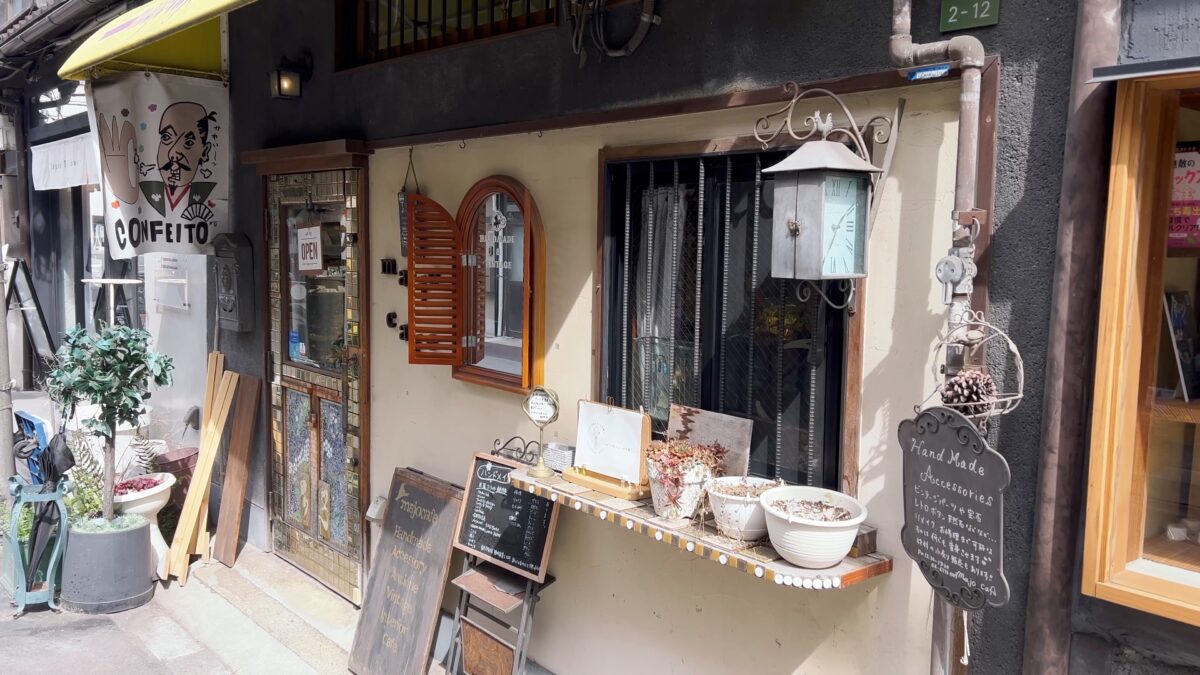
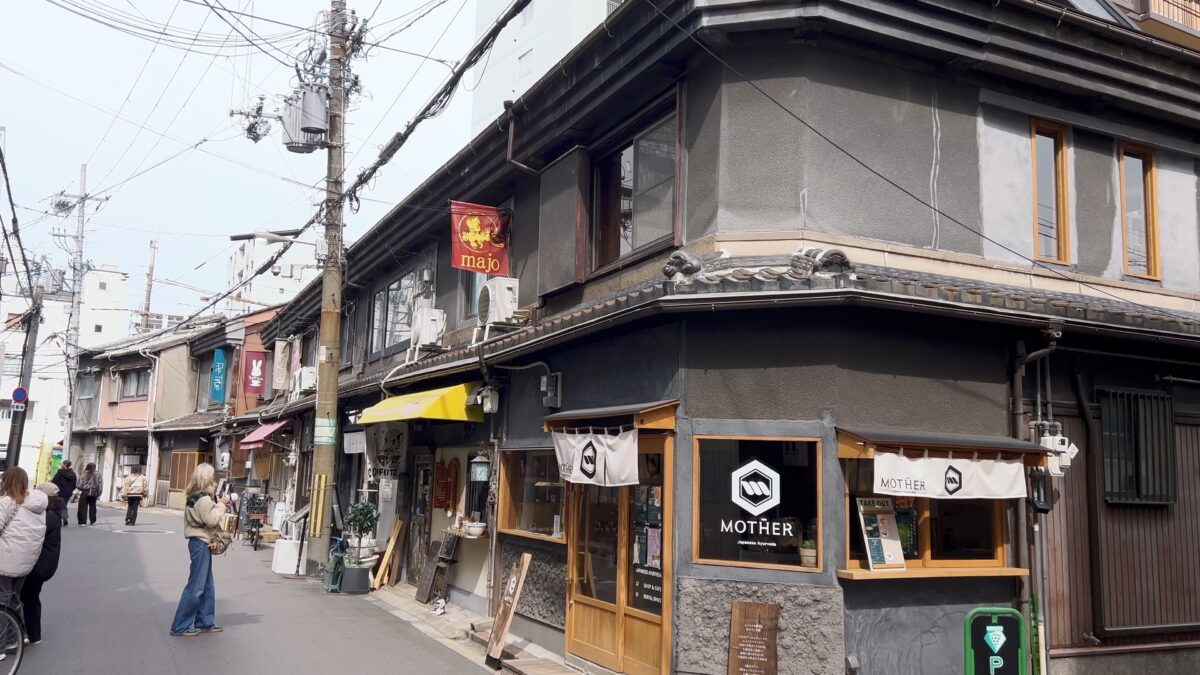
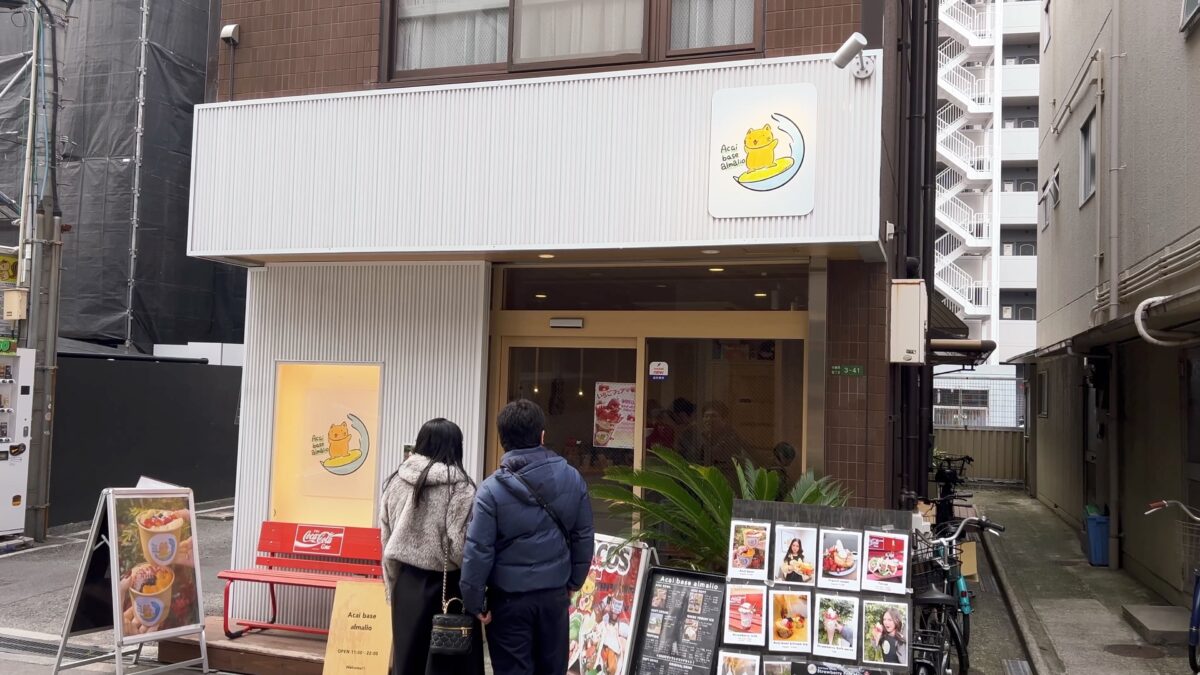
A key characteristic of this area is that it is centered around small, independently owned businesses. There are almost no franchise stores, and each shop operates with a distinct concept. In the case of cafes, many are not merely places to sell beverages, but rather spaces that create a distinct atmosphere by incorporating interior design, props, and music. Vintage clothing stores, handicraft shops, and independent bookstores operate in a similar manner. Unlike large commercial facilities that feature efficient circulation routes or unified layouts, the atmosphere varies slightly from alley to alley, creating a structure where visitors must explore on their own.
Historically speaking, Nakazaki-cho is not a tourist destination linked to specific events or figures. Instead, it is closer to an example where spaces left behind during urban transformation are being utilized in a different way today. Rather than being cultural heritage in the traditional sense, it represents old living spaces reinterpreted as modern commercial areas. In this respect, the area possesses a character closer to a “transformed present” than “preserved history.”
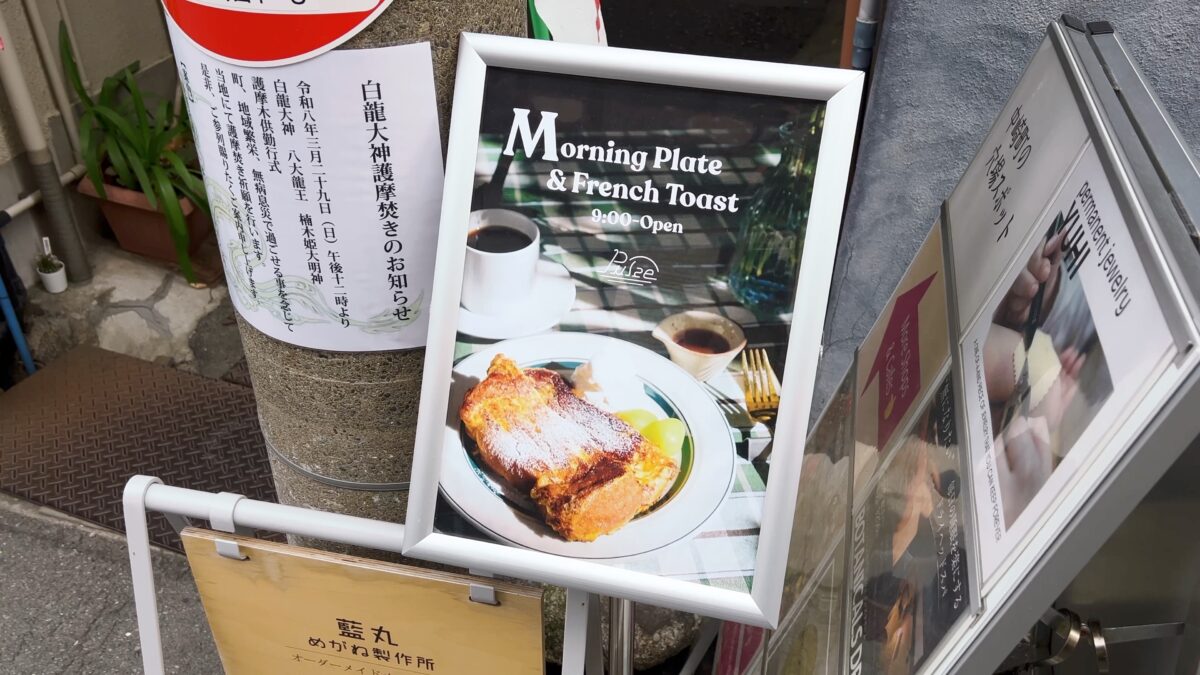
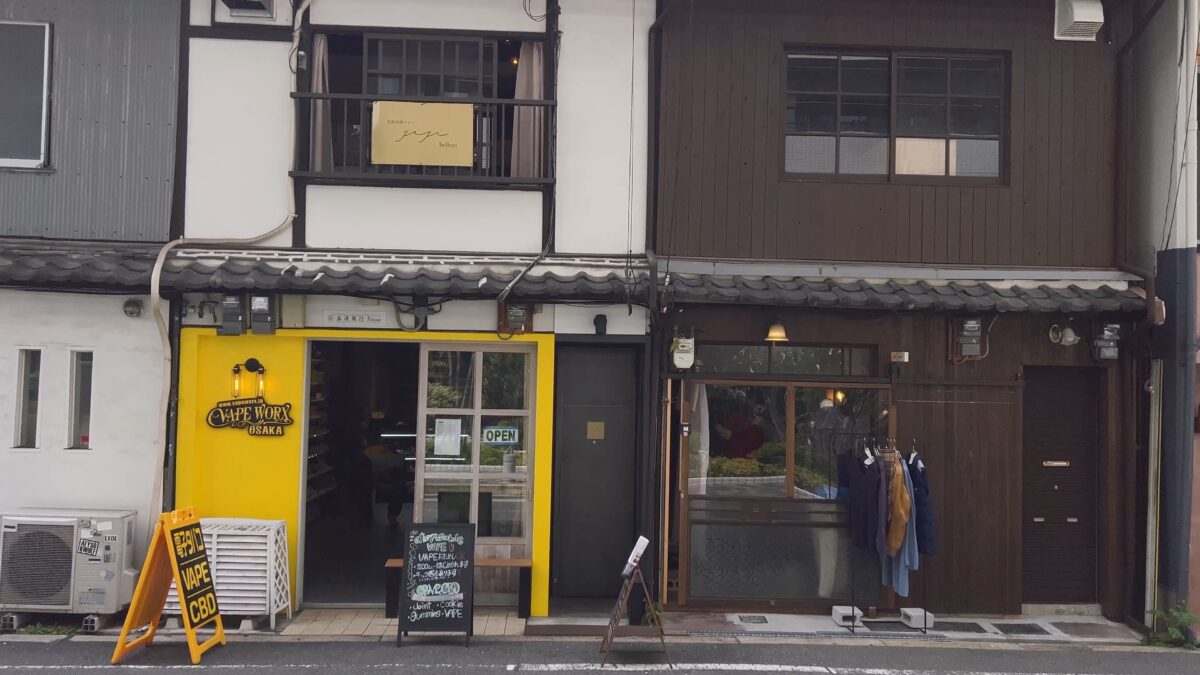
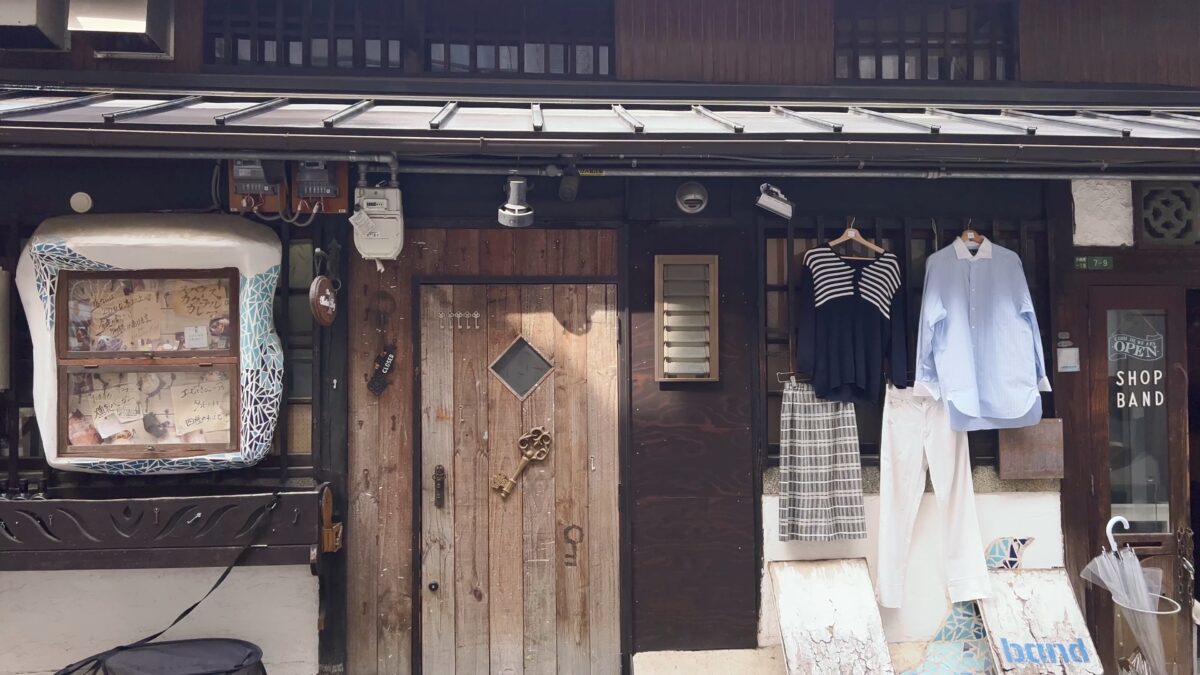
The current role of Nakazaki-cho is clear: it is a region that offers an experience distinct from large tourist destinations or shopping centers. While consumption in densely populated areas like Umeda—with its large department stores and commercial facilities—occurs within fixed brands and structures, in Nakazaki-cho, choices and movement take place on an individual store-by-store basis. From a visitor’s perspective, it is more natural to walk through the alleys and check out shops one by one, rather than heading to a specific destination.
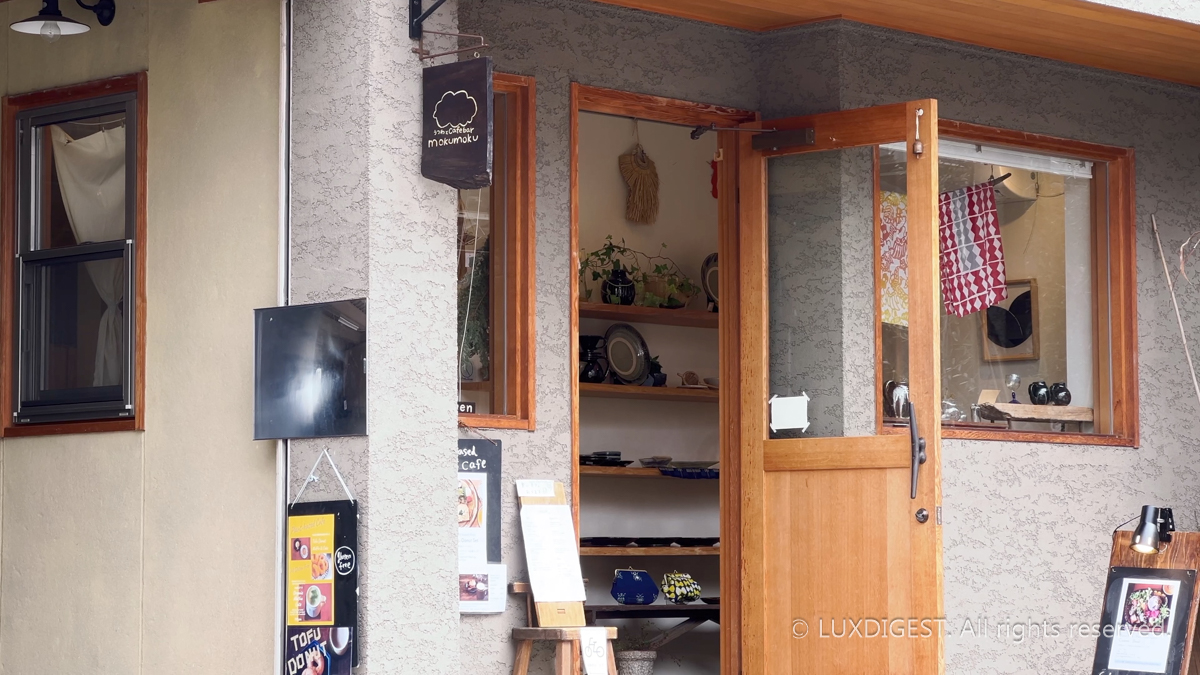
Tourist attractions are also structured to align with this layout. Rather than having a single representative landmark, the alleys themselves are the subject of the tour. Key elements to observe include the exteriors of old wooden buildings, the narrow alley layouts, and the designs of signboards and entrances. Photography is also often done with the entire street as the backdrop, rather than focusing on a specific spot. When visiting cafes, it is common to choose a space that appeals to you on the spot, rather than seeking out a famous establishment.
However, this area is quite polarizing. Since it is not large in scale and lacks concentrated attractions or experiences, it may feel somewhat monotonous if you set high expectations. Conversely, it is a suitable place for those who prefer a leisurely stroll in a quiet atmosphere. Rather than planning a long visit, it is more realistic to stop by with a 1 to 2-hour buffer in the middle of your schedule.
Accessibility is generally good. It is within walking distance from Umeda, and access is not difficult even when using the subway. However, due to the complex layout of the alleys, it is easy to lose your way if you are navigating without a map. Since the atmosphere changes immediately upon entering from the main road, it is necessary to check the entrances carefully to avoid missing them.
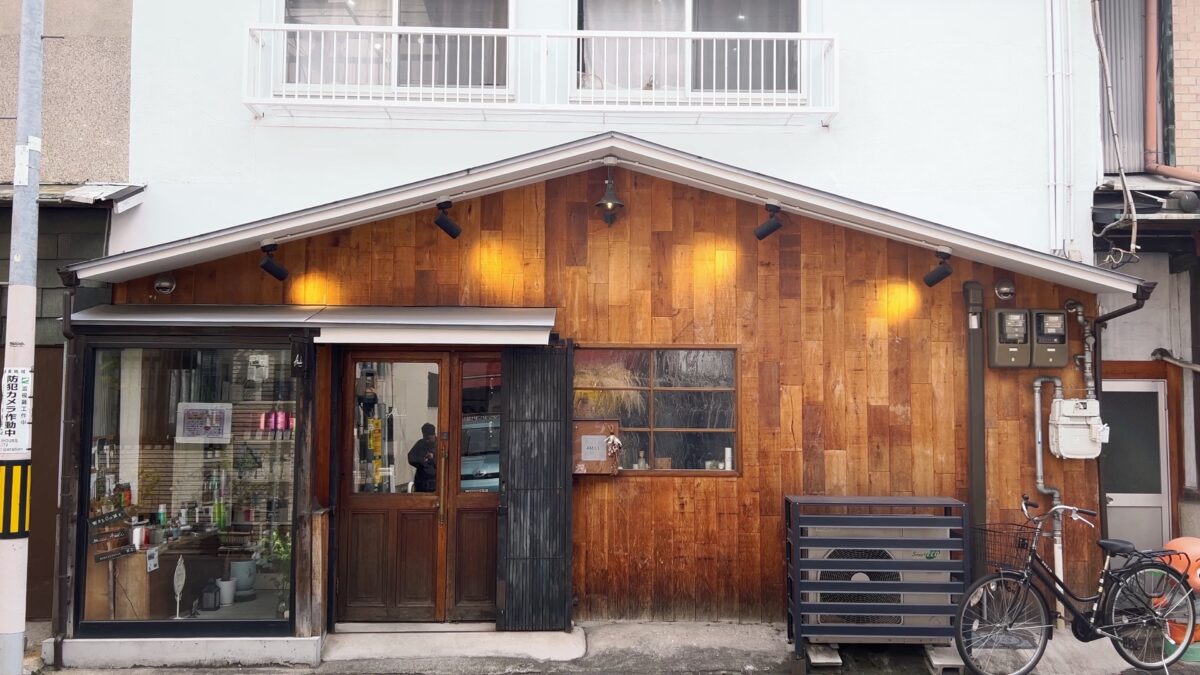
Top 3 Shops
1. Salon de AManTO
One of the early cafes representing Nakazaki-cho
A space that utilizes an old wooden building as is
Serves as a complex cultural space hosting exhibitions, performances, and more, in addition to being a cafe
A place that influenced this area to establish itself not just as a simple cafe alley, but as a “creative hub”
2. Guignol
A shop centered on antique dolls and props
Many visitors come for photography due to the unique interior atmosphere
Unlike typical prop shops, it has a strong concept, serving as an example of the distinctive shop types unique to Nakazaki-cho
3. Taiyō no Tō
One of the relatively well-known cafes
The exterior maintains the form of an old house, while the interior features a modern layout
A typical example showing how cafes in this area are remodeled
Key Features of This Street
1️⃣ The Building Structure Itself Is Content
Here, the building itself catches your eye before the shop.
Low ceilings
Narrow entrances
Wooden exterior structure
These elements are preserved as they are while being used as commercial spaces. 2️⃣ Almost no franchises
Mostly privately owned
Even within the same industry, the atmosphere is completely different
👉 Therefore, it is a structure of “space selection” rather than “brand consumption”
3️⃣ No designated flow
There is no order like in a shopping mall
You will miss many shops if you wander around without a map
👉 This is not a disadvantage, but a characteristic
👉 A structure that “makes you seek it out”
4️⃣ Photo-centric area
No specific landmarks
The alleys themselves are subjects for photography
👉 Therefore, visits driven by social media account for a high proportion
Have you ever heard of Iwoldo’s Omizutori?
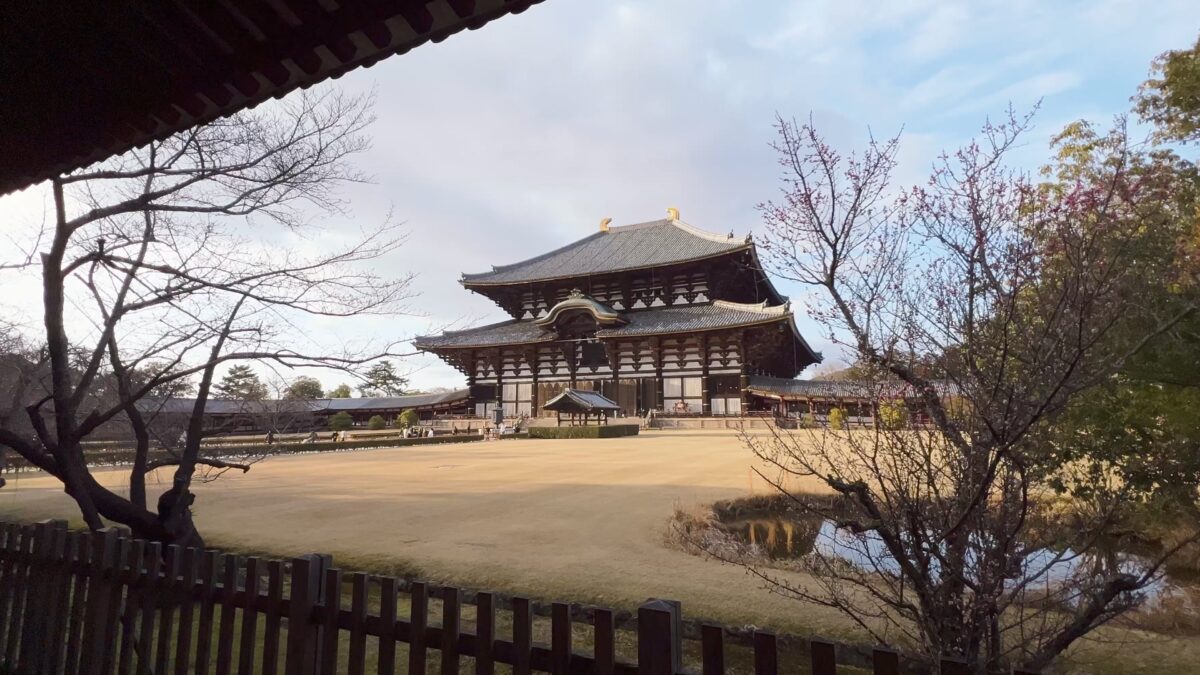
Have you been to Todai-ji Temple in Nara?